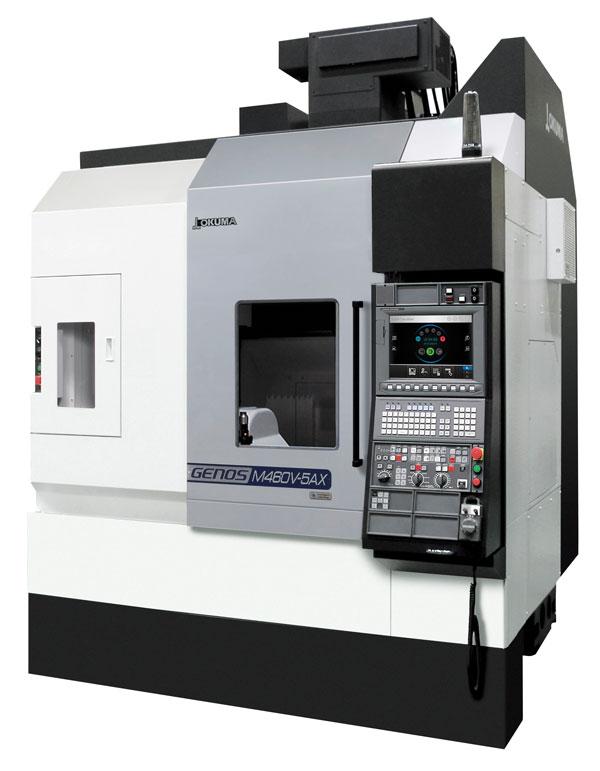
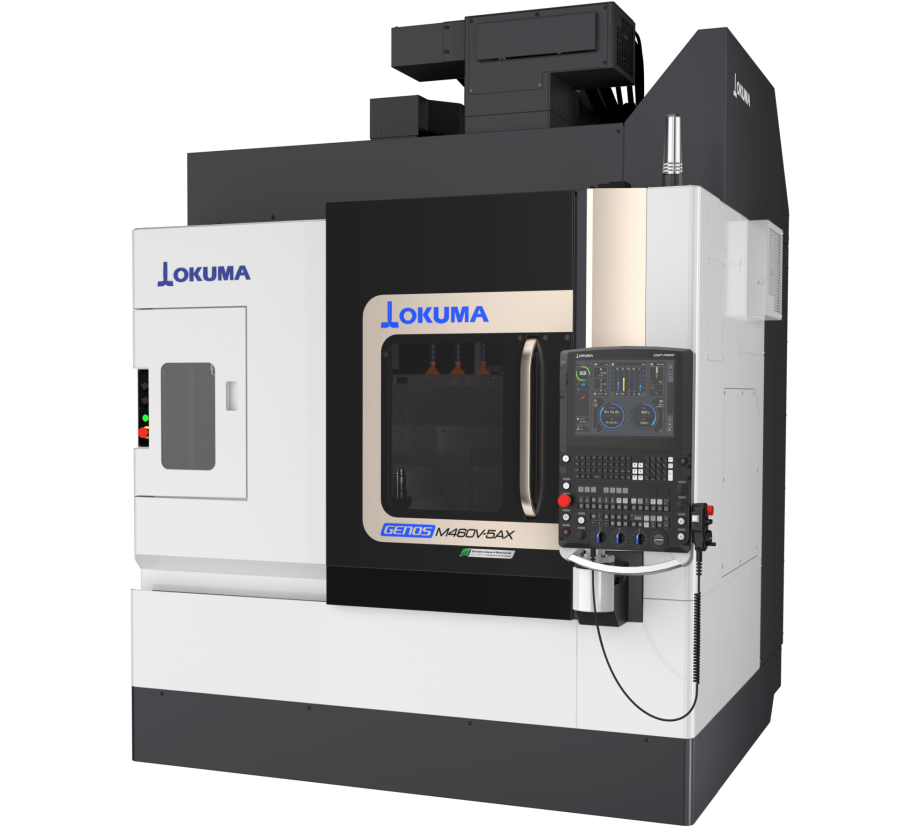
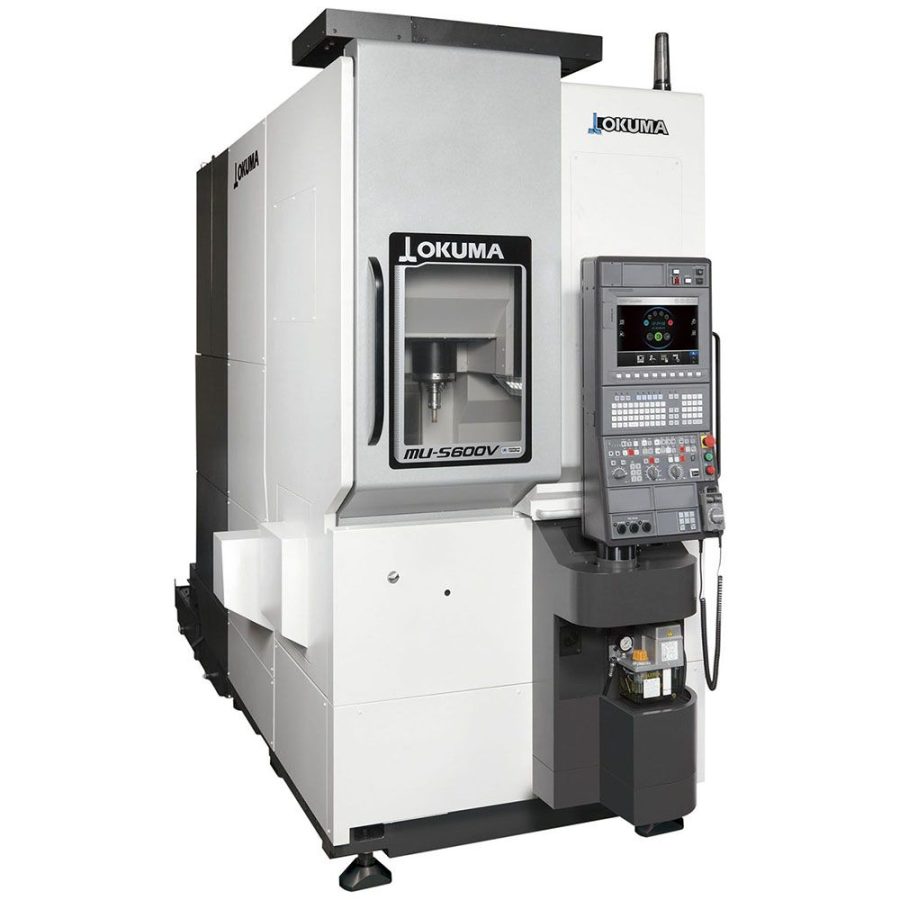
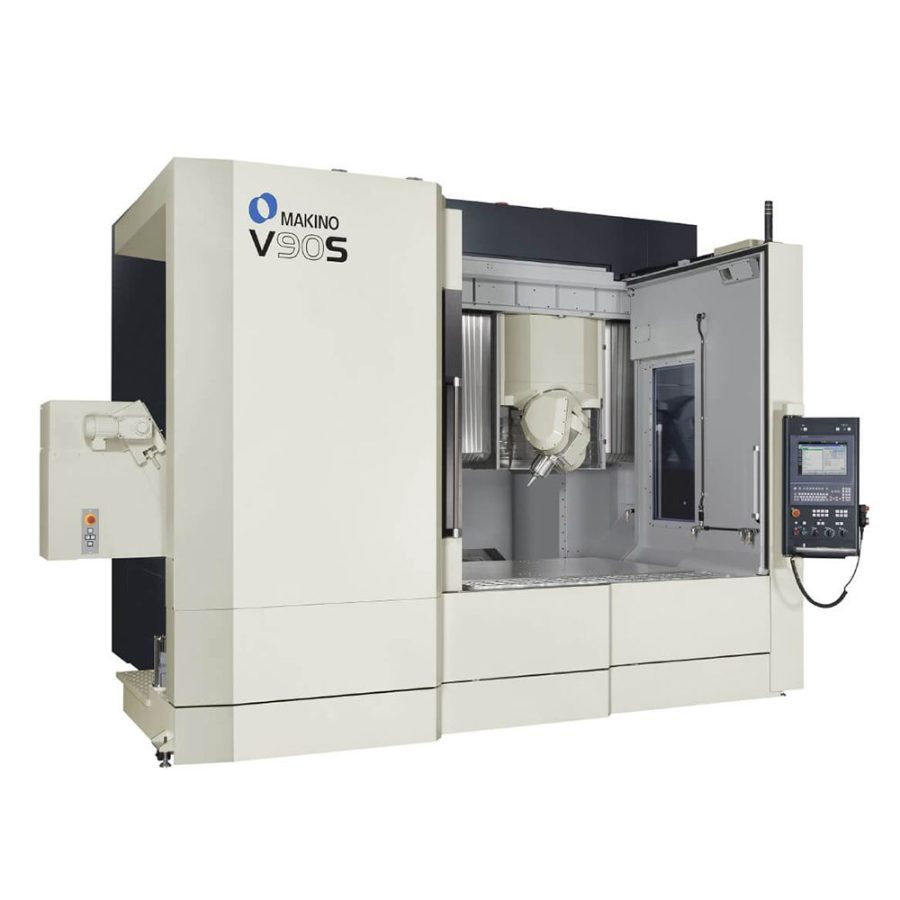
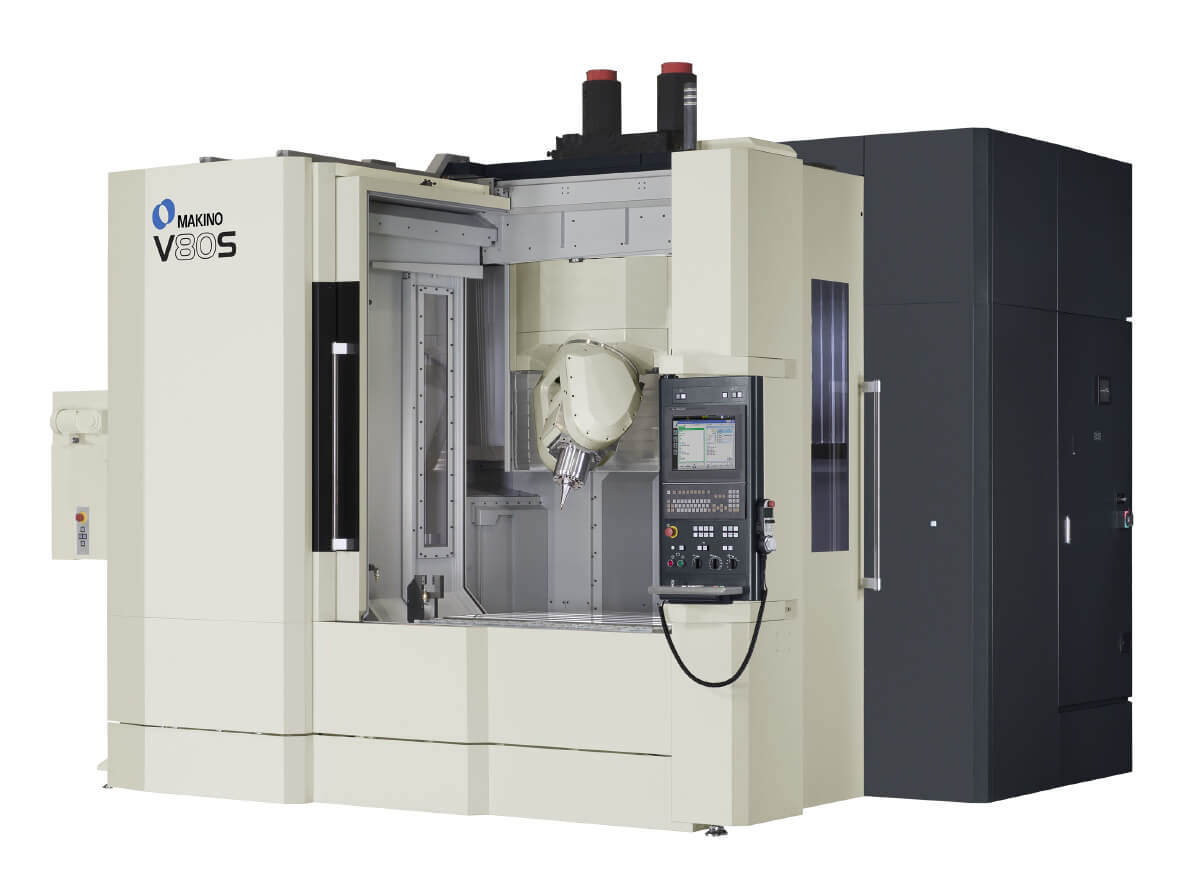
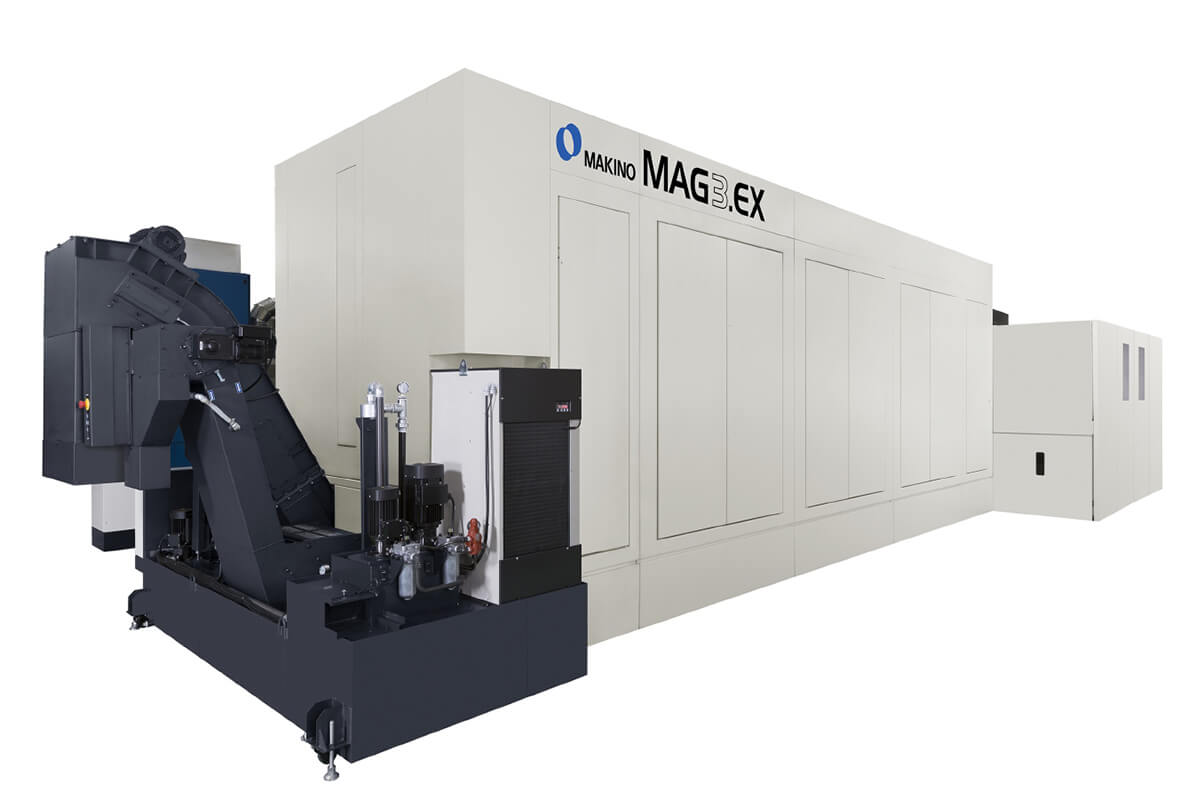
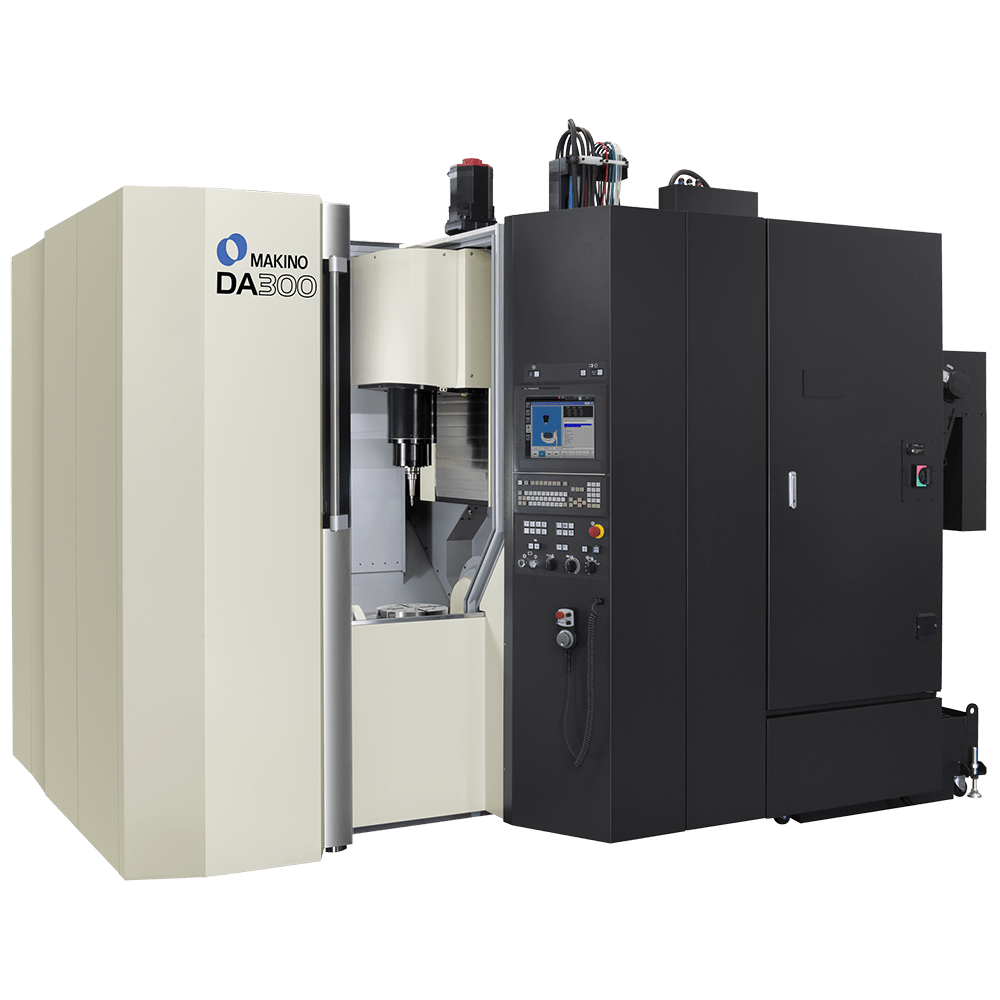
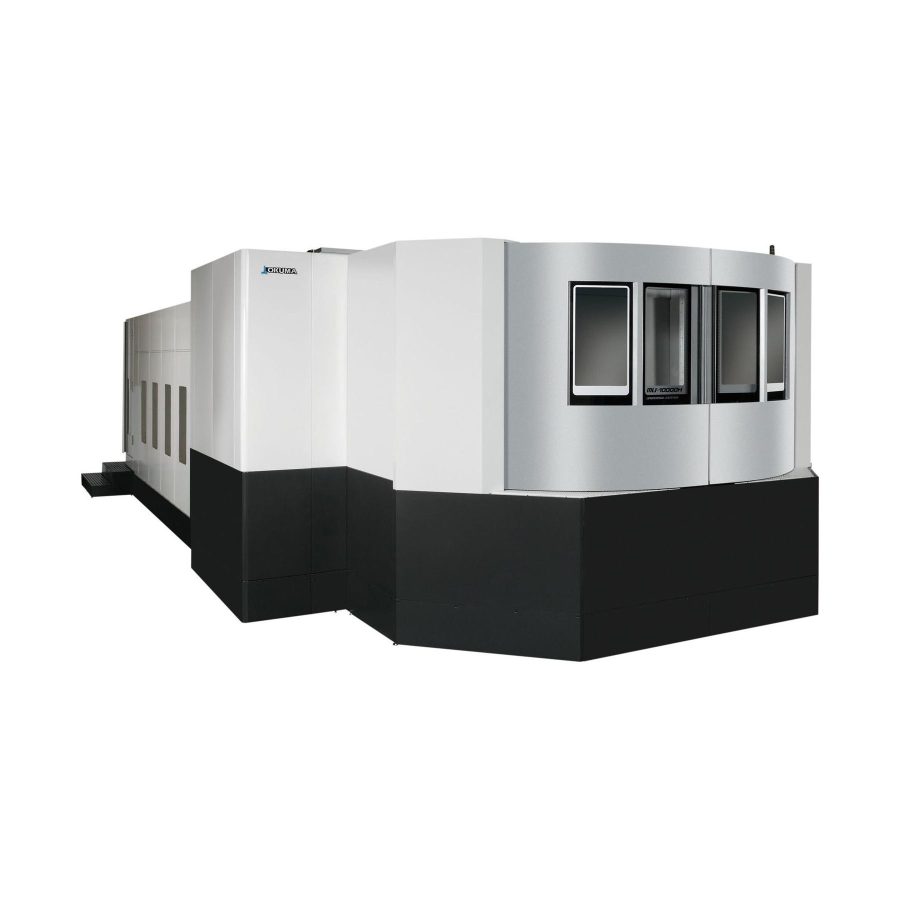
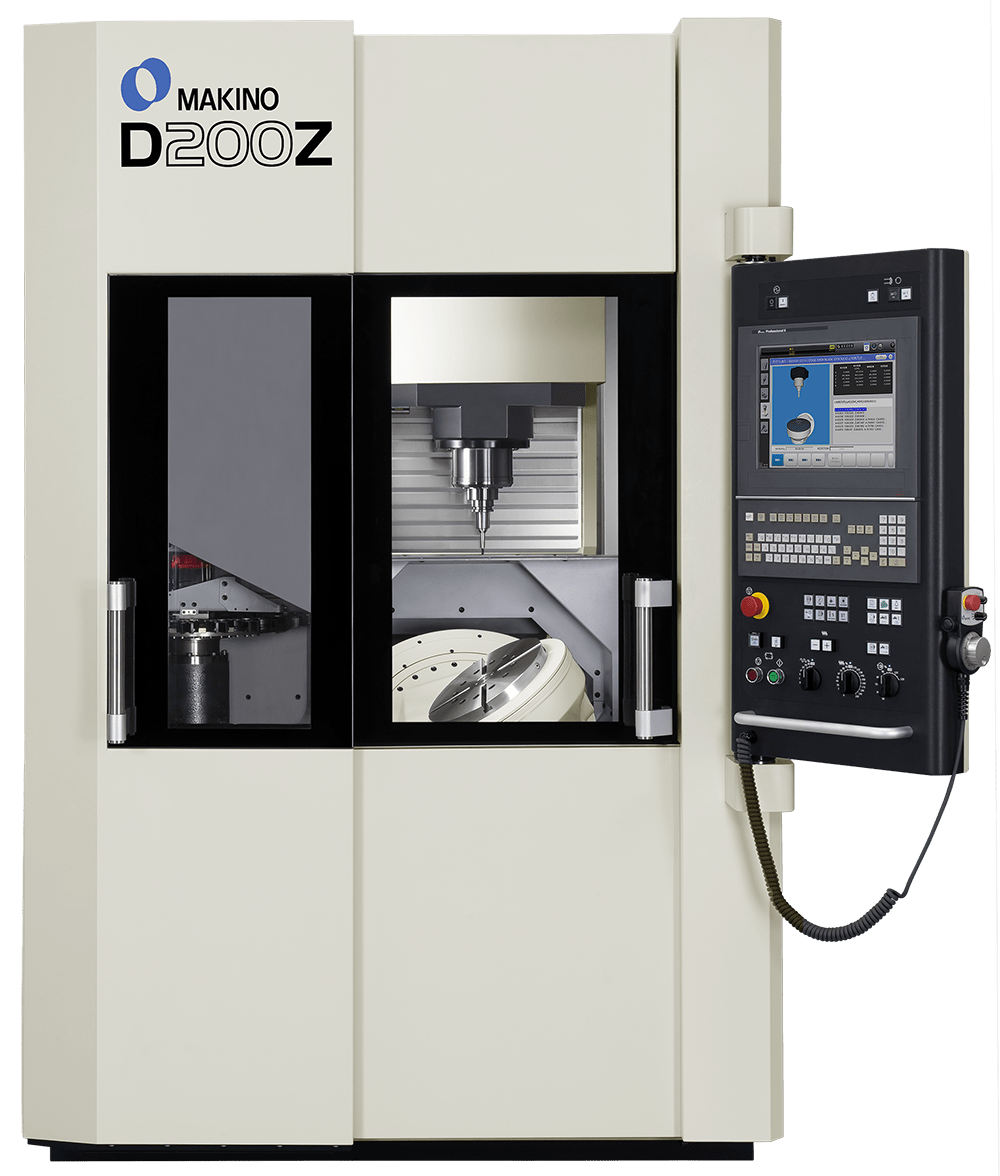
NCMT supplies Makino and Okuma, 5-axis machines in vertical and horizontal configurations for complex, high-precision machining applications.
These 5-axis CNC machine tools provide access to multiple faces and angled features within fewer set-ups, supporting complex component geometries while reducing component repositioning and workholding changes. Depending on the application, 5-axis capability can also support shorter process chains, improved feature-to-feature accuracy and more efficient machining of complex parts.
The range includes compact high-speed machines for smaller complex components, vertical and horizontal platforms for multi-sided machining and large-format, high-productivity machines for demanding aerospace, energy and other high-value manufacturing applications.
Our applications engineers work with manufacturers across aerospace, defence, energy, medical, subcontracting, automotive and motorsports and mould & die to assess your requirements and identify the most appropriate machining platform for the application.
Explore NCMT’s range of 5-axis CNC machines and get in touch to discuss the most appropriate machine configuration for your production requirements.
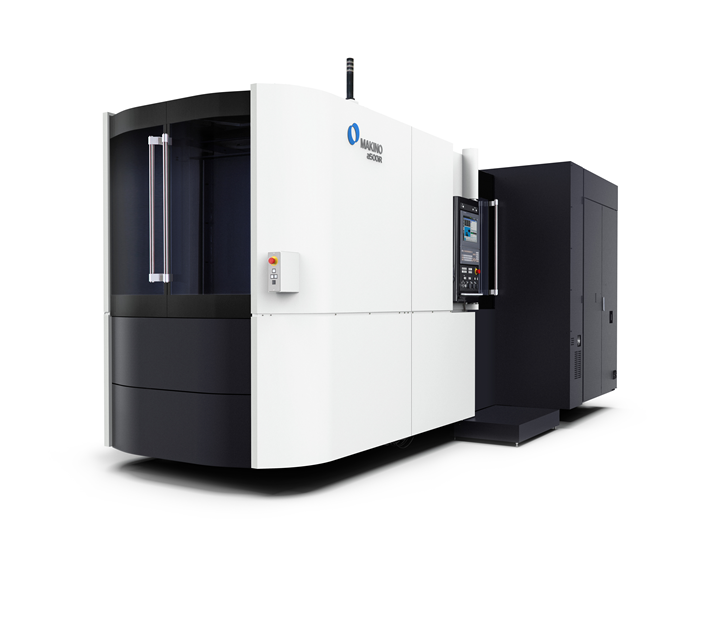
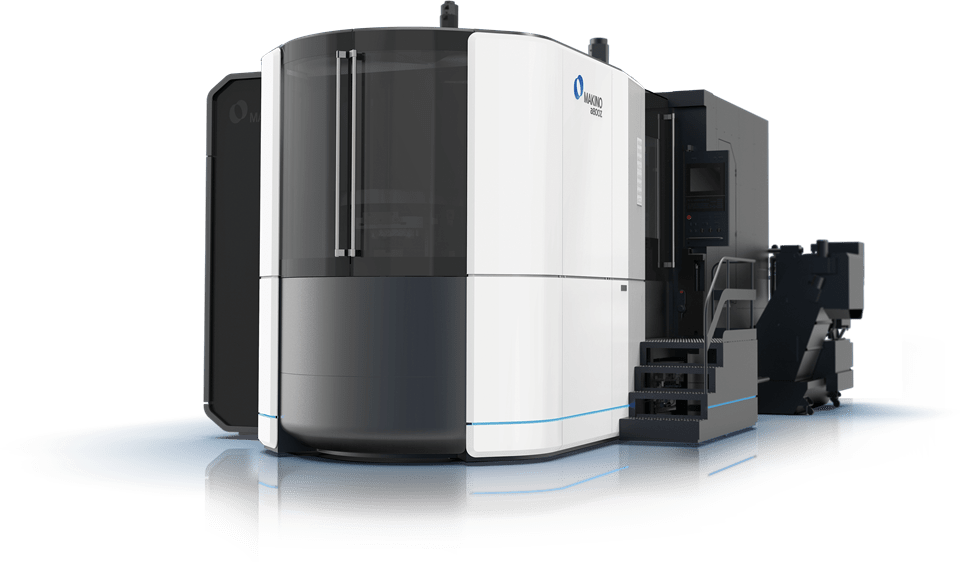
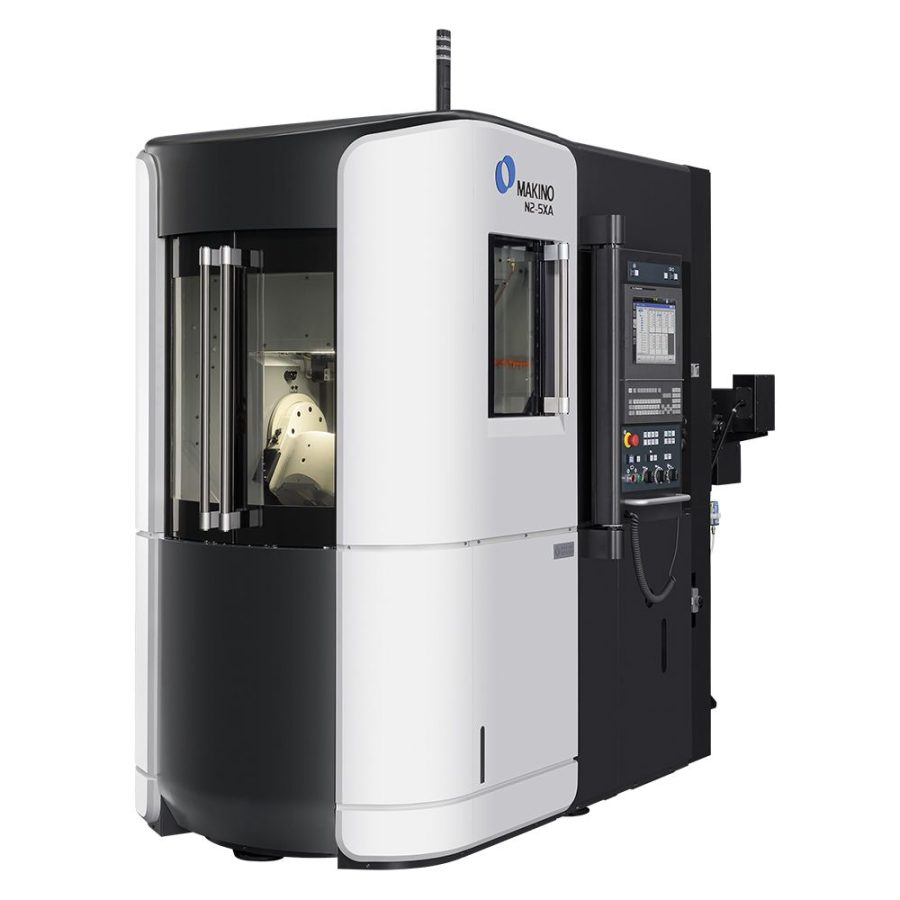




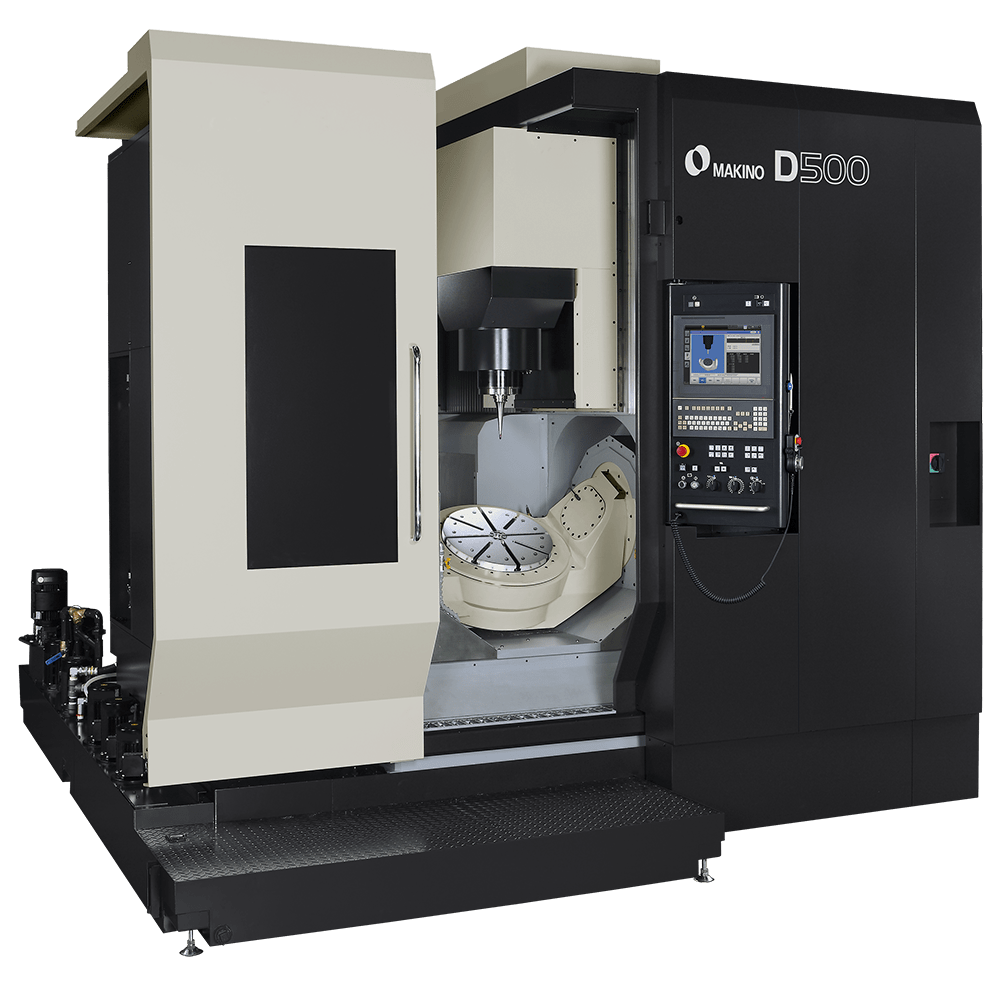

Selecting a 5-axis CNC machine requires an assessment of the complete machining process rather than the number of axes alone.
Key factors include component material, geometry, dimensions and weight, required tolerances and surface finish, feature and tool access, spindle speed, power and torque, rotary axis configuration, workholding, tool magazine capacity and target cycle time. The evaluation should also determine whether the application requires simultaneous 5-axis machining or indexed 3+2 positioning, as well as any requirements for multi-sided machining, automation or lights out production.
NCMT can assess these requirements against the available Makino and Okuma machine platforms and recommend a configuration suited to the component and production strategy.
The choice between a vertical and horizontal 5-axis machining centre depends on component geometry, machining strategy, workholding, required tool access and the wider production process.
Vertical 5-axis machining centres are often preferred where complex geometries require flexible access to multiple faces or where frequent access to the workpiece is required. Depending on the machine they can support application ranging of components, from smaller high-precision parts through to large die and mould applications.
Horizontal 5-axis machining centres combine multi-axis access with the production characteristics of a horizontal machining platform.
Depending on the configuration, they can offer advantages in palletised production, chip evacuation, automation and the machining of larger or more complex components over extended production cycles.
The appropriate choice should therefore be based on the complete machining process, including component size and geometry, fixture strategy, cycle time, automation requirements and production volume, rather than machine orientation alone.
Indexed 3+2 machining positions the rotary axes before machining takes place, allowing multiple faces and angled features to be produced using conventional three-axis cutting movements. For many components, this can provide the required access without continuous movement of all five axes.
Simultaneous 5-axis machining becomes more important where the tool orientation must change continuously during the cut, such as complex contours, blades, impellers and other freeform surfaces. The decision should be based on component geometry, surface requirements, tool access and the machining strategy rather than assuming that simultaneous 5-axis movement is required for every 5-axis application.
Five-axis machining centres can use different combinations of rotary table and spindle-head movement, and the most appropriate configuration depends on the component and machining process.
Table-based rotary configurations can provide high rigidity and controlled positioning for suitable component sizes, while head or combined head-and-table configurations can offer advantages where workpieces are larger or where moving the component through large rotary movements would be impractical. The evaluation should consider component size and weight, required angular access, cutting loads, workholding, tool reach and the movement of the component throughout the machining cycle.
Linear axis travels and table dimensions do not provide a complete indication of usable 5-axis capacity.
The component, fixture and cutting tool must remain within the available machining space throughout all required rotary-axis positions. Manufacturers should therefore consider maximum workpiece diameter and height, payload, rotary-axis travel, fixture dimensions, tool length and potential interference between the spindle, workpiece, table and machine structure.
The required machining orientations should ideally be assessed using the actual component and proposed workholding rather than machine travel specifications alone.
The software and programming environment should be considered as part of the 5-axis machining solution rather than separately from the machine tool.
The CAM system must support the required indexed or simultaneous toolpaths, while the post-processor needs to reflect the kinematics and control functions of the selected machine. Accurate machine simulation can also help verify rotary movements, tool orientation, workholding clearance and potential collisions before the programme reaches the machine.
For simultaneous 5-axis applications, the evaluation should therefore include the CAM strategy, machine-specific post-processor, control functionality and simulation requirements alongside the machine specification.
A process study should demonstrate how the proposed machine, tooling, workholding and machining strategy will produce the required component rather than relying solely on catalogue specifications.
Depending on the application, the assessment can include component orientation, feature access, tool lengths, rotary-axis movements, potential interference, machining sequence, cycle time, achievable tolerances and surface finish. Where automation or unattended production is required, tool management, workpiece handling and process monitoring should also be considered.
This provides a more meaningful basis for comparing 5-axis platforms against the actual production requirement.