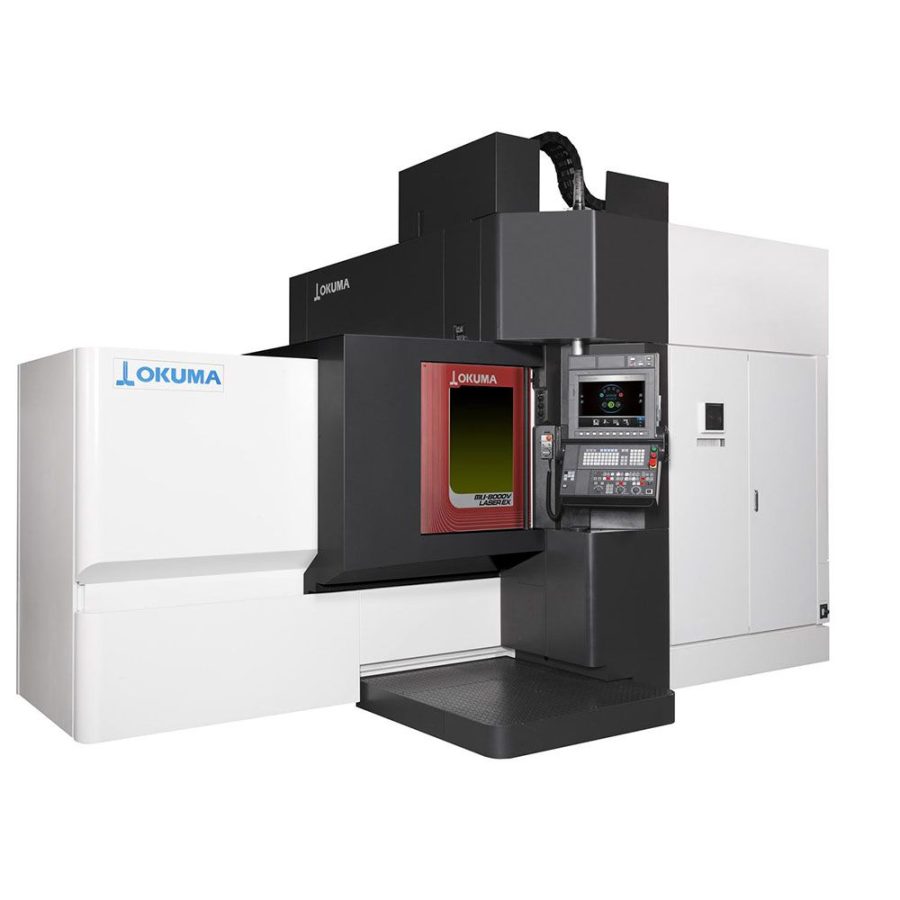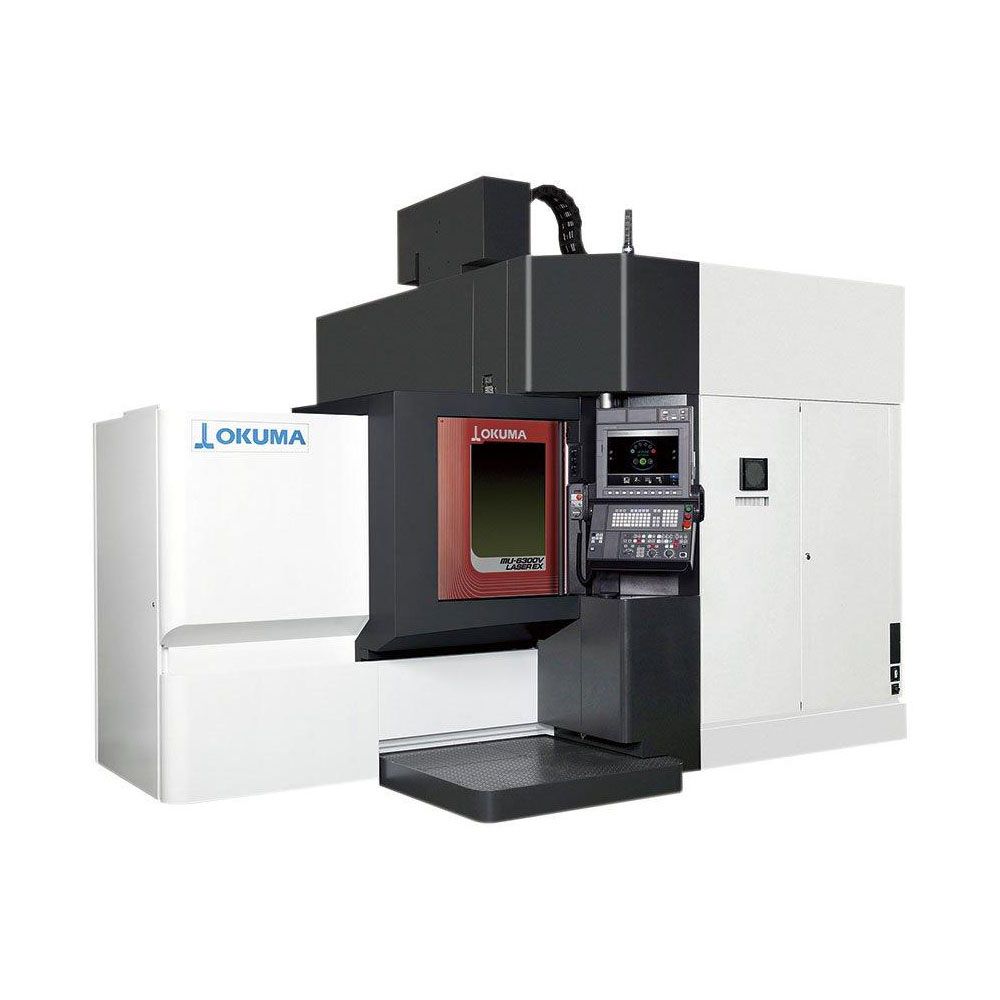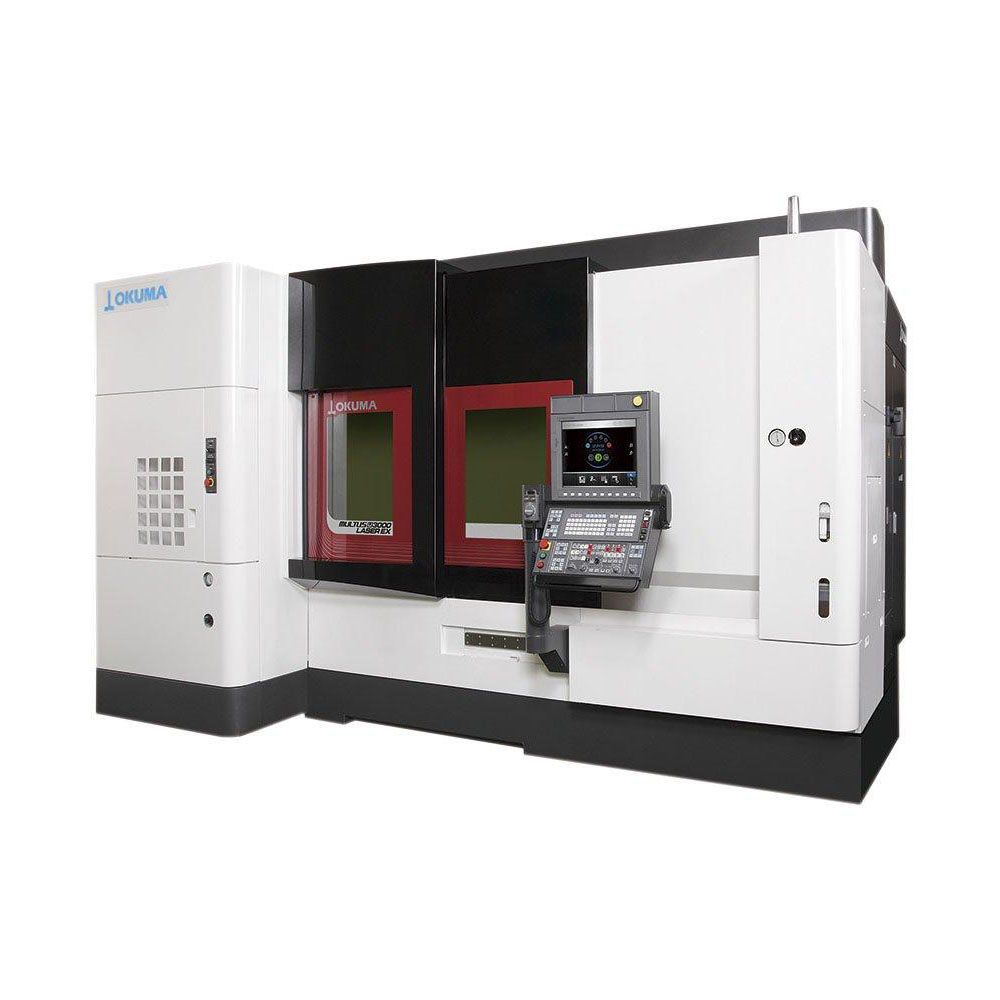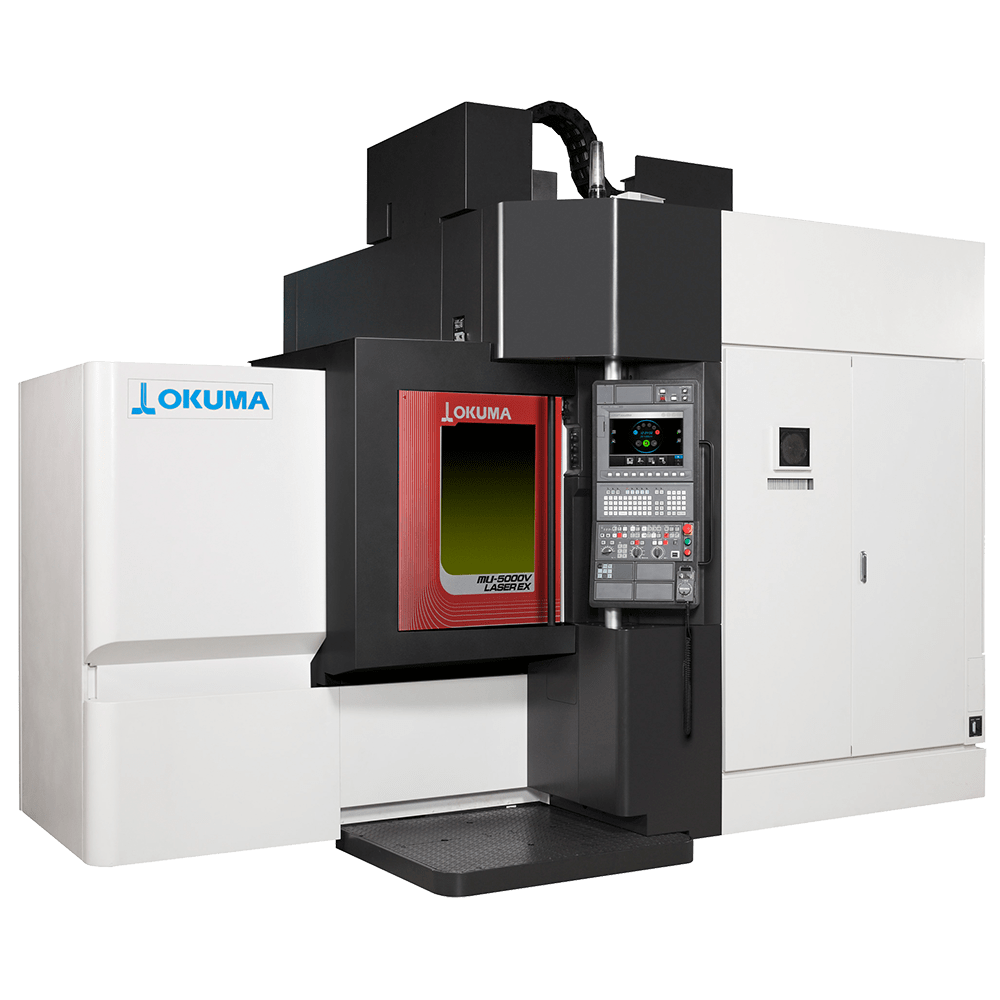
Additive manufacturing expands the capability of modern CNC machining by enabling material to be added precisely where required. Using laser-based metal deposition technology, components can be repaired, reinforced or built up in a controlled manner before final machining. This hybrid approach combines additive and subtractive processes within a single platform, improving flexibility, reducing waste and supporting high-value manufacturing applications across aerospace, energy and precision engineering sectors.

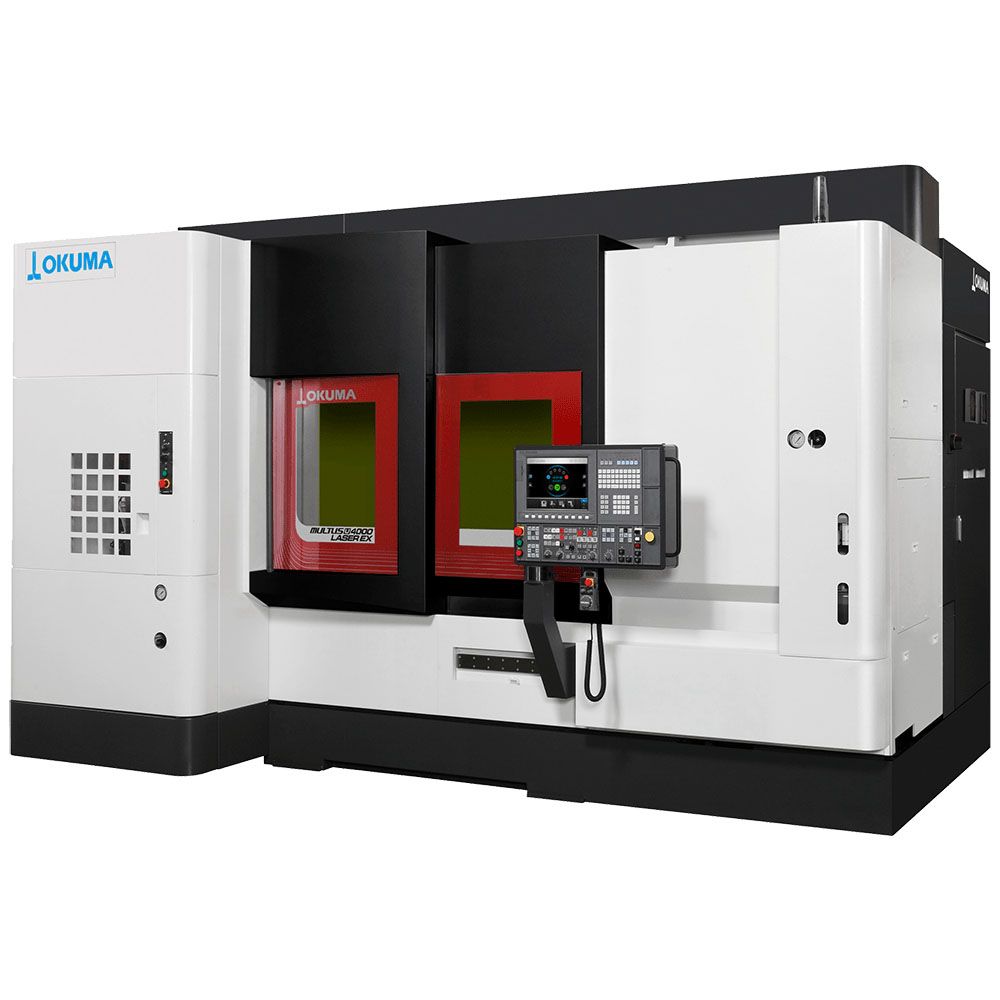
We supply advanced additive and hybrid manufacturing technology from Okuma. These platforms integrate laser metal deposition directly within a machining centre, allowing material build-up and precision finishing to be completed in one set-up.
This integration provides:
Reduced part handling and improved accuracy
Enhanced repair and remanufacturing capability
Lower material waste compared to conventional processes
Greater process flexibility for complex components

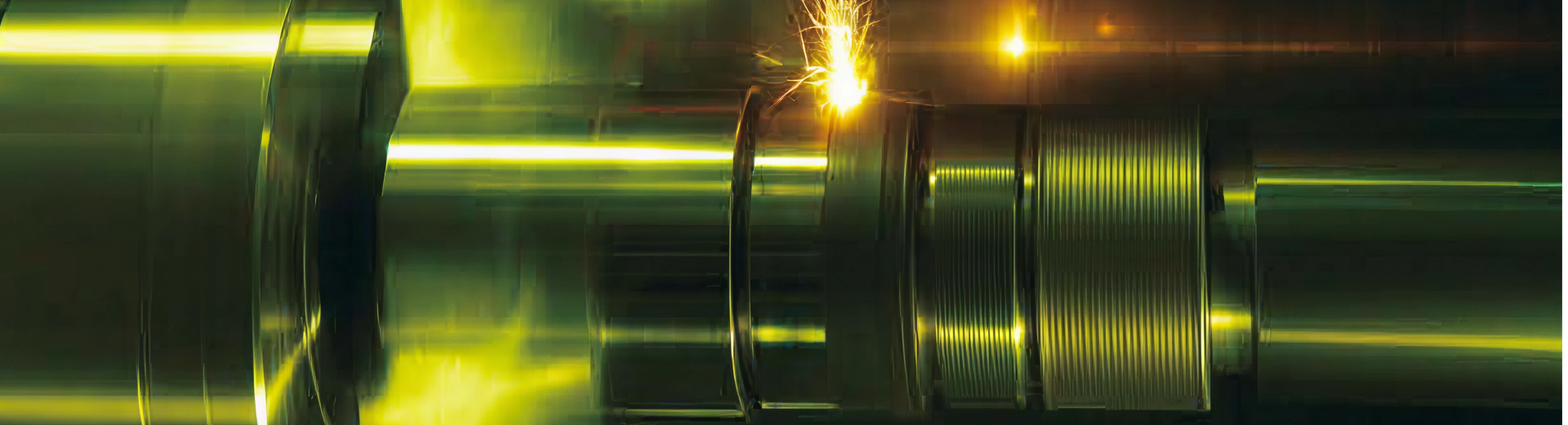
Laser metal deposition uses a focused laser beam to create a molten pool into which metal powder is fed, forming a metallurgical bond with the base material. The process is highly controlled and suitable for repairing worn components, adding functional features or building near-net-shape forms prior to machining.
By combining additive capability with full CNC machining functionality, manufacturers benefit from improved lead times, optimised material usage and enhanced production efficiency.

Hybrid additive systems are particularly valuable for high-value components requiring local reinforcement, design modification or refurbishment.
By integrating additive manufacturing within a CNC machining platform, you can consolidate operations, reduce external processing steps and maintain full process control within your own facility.