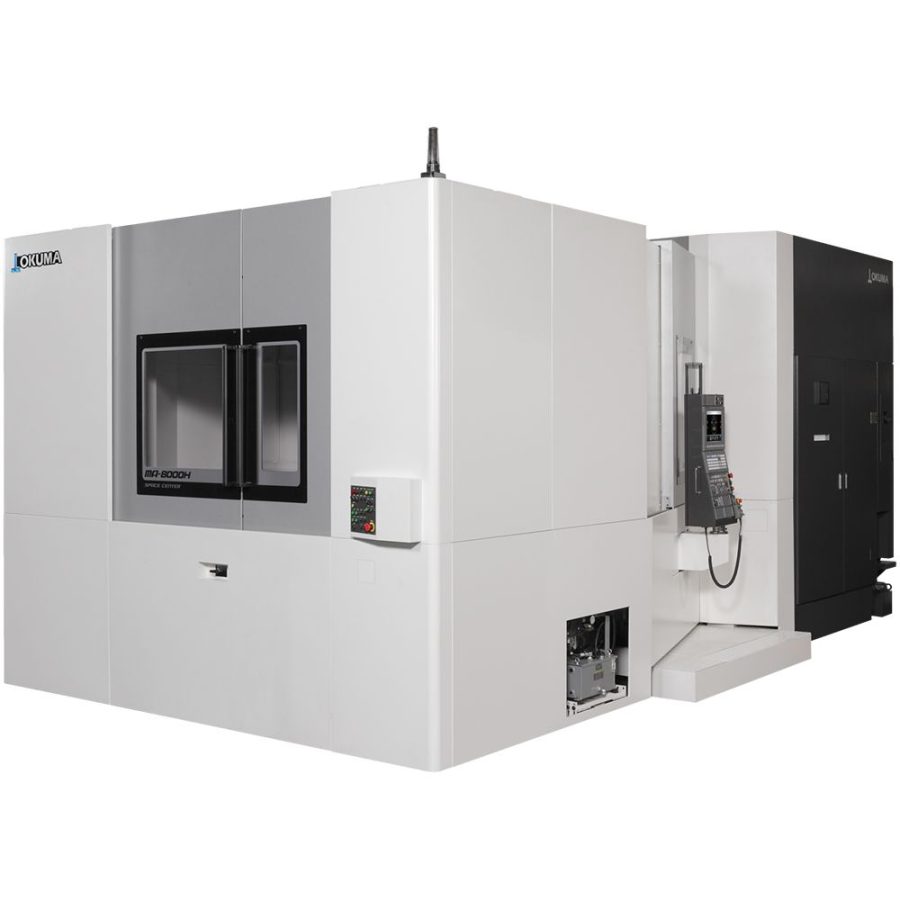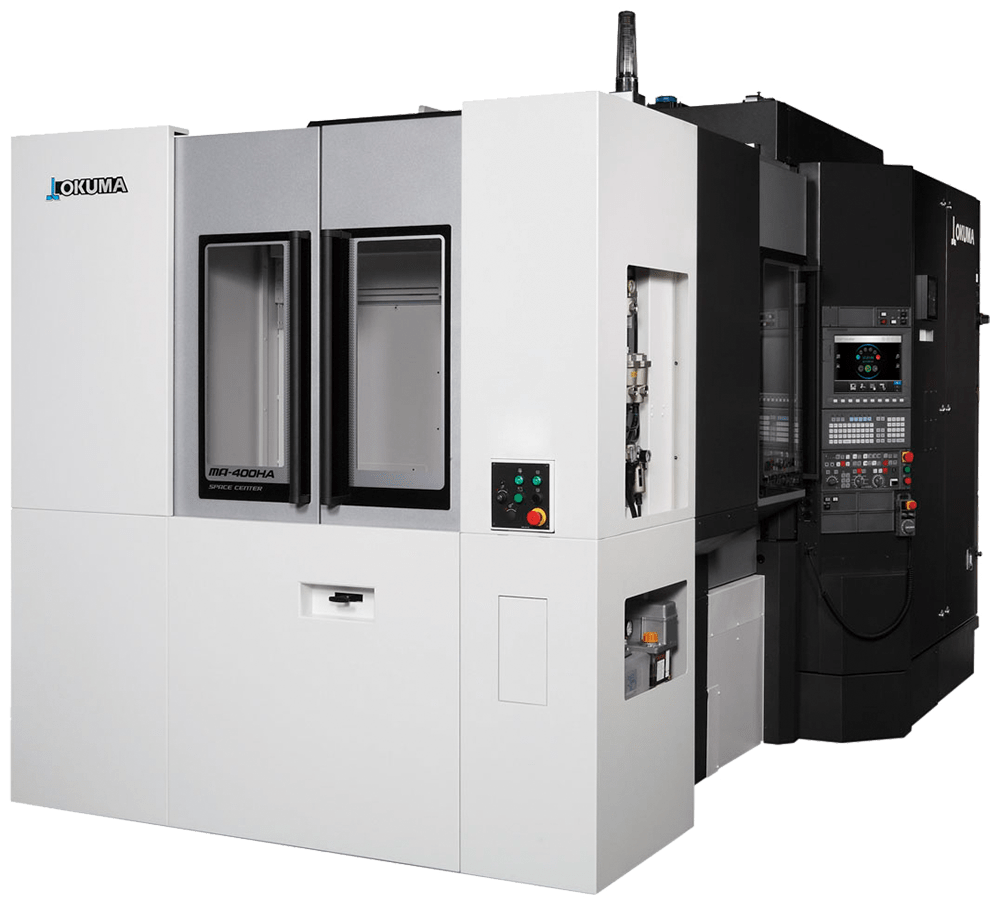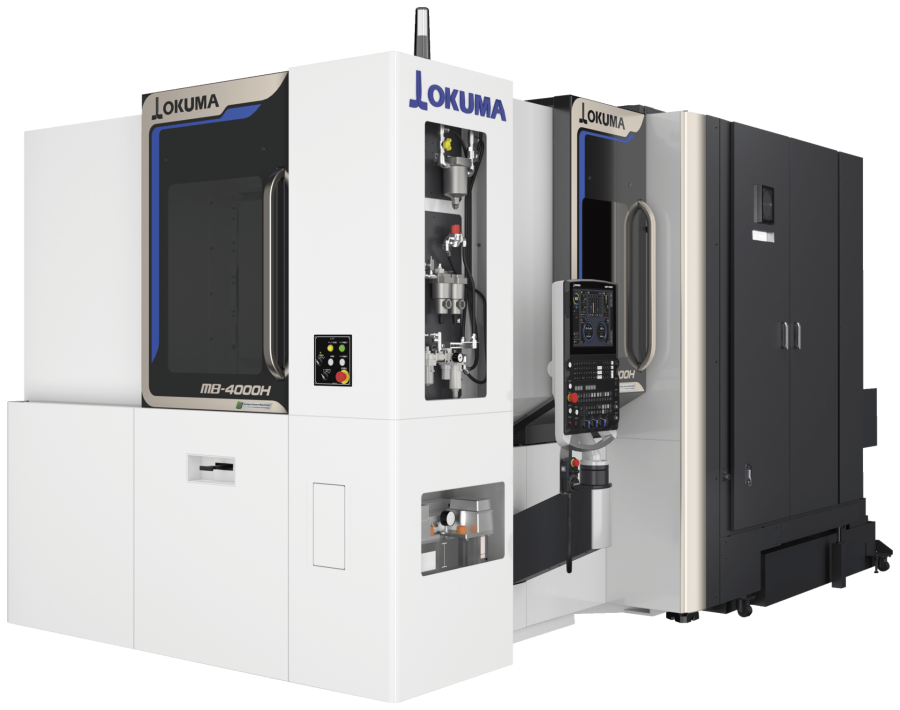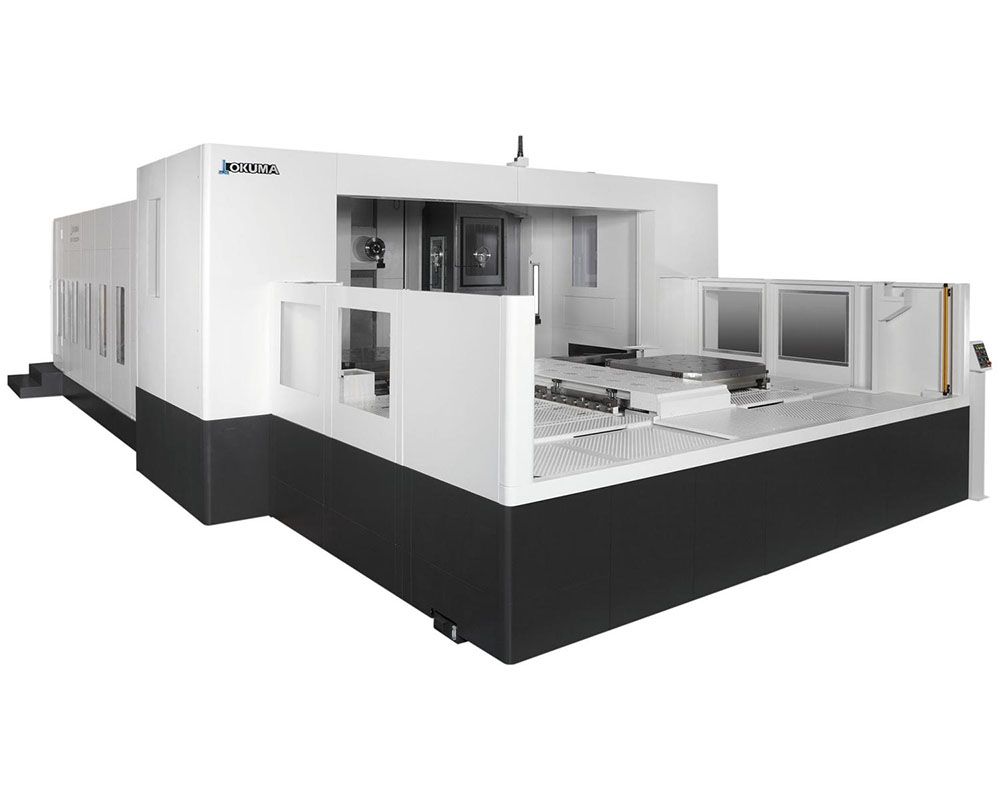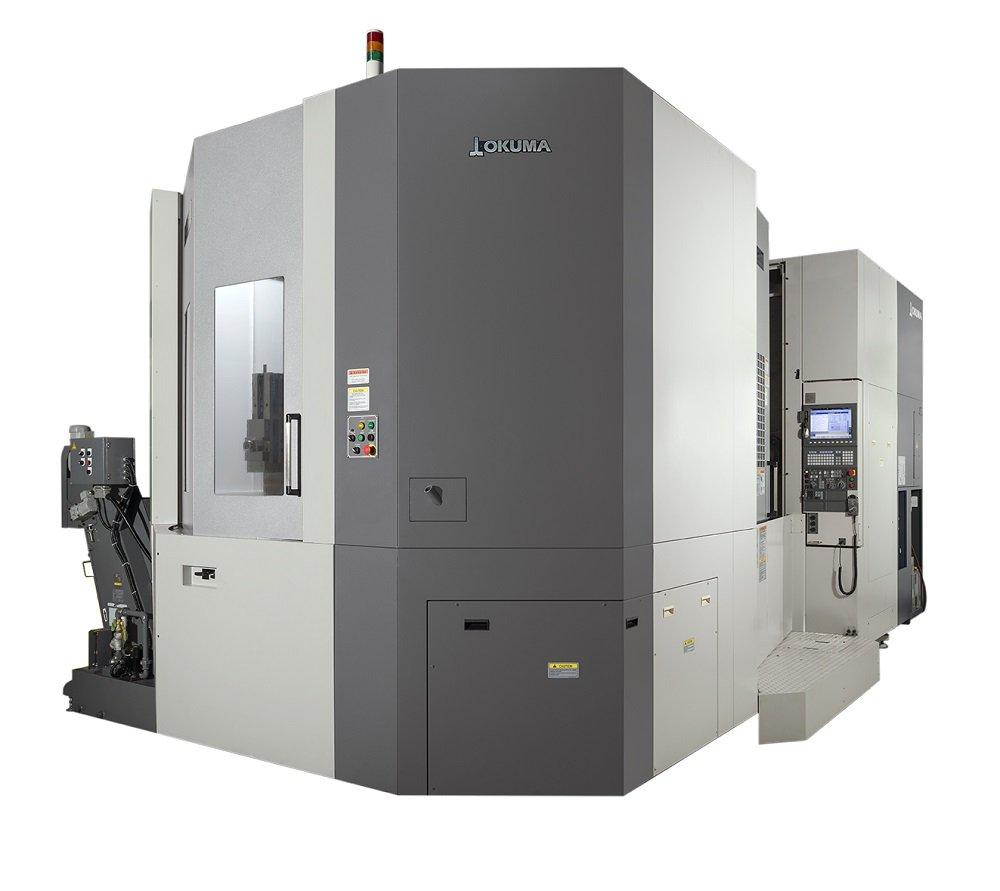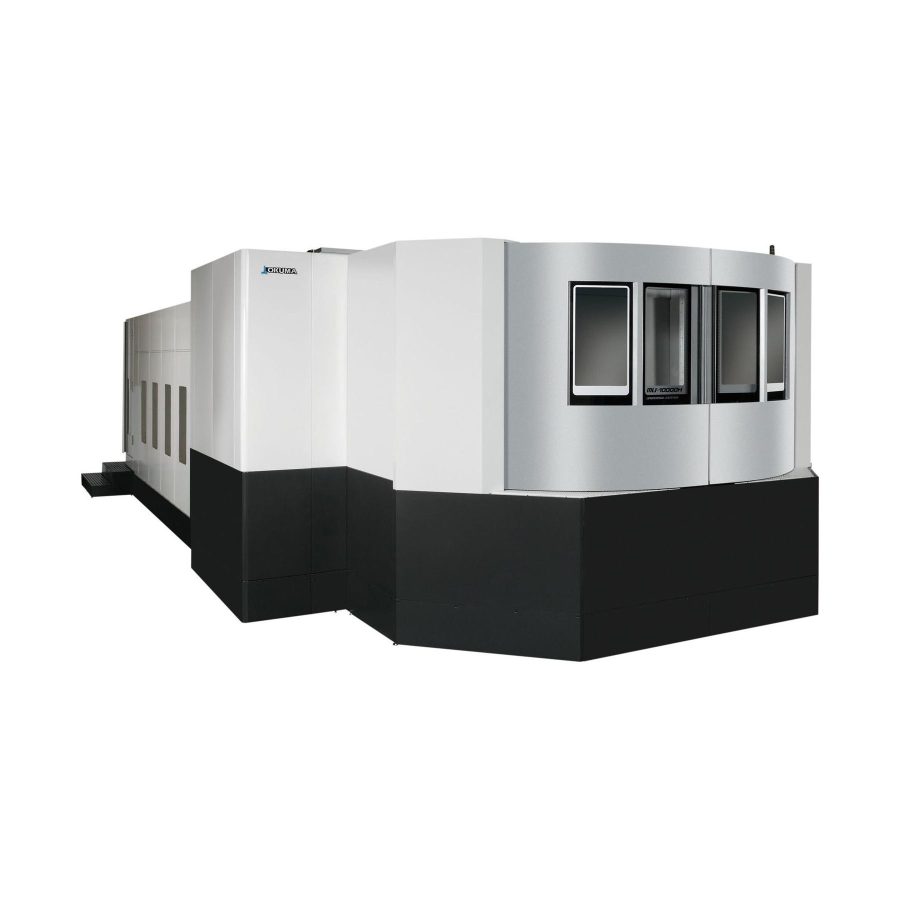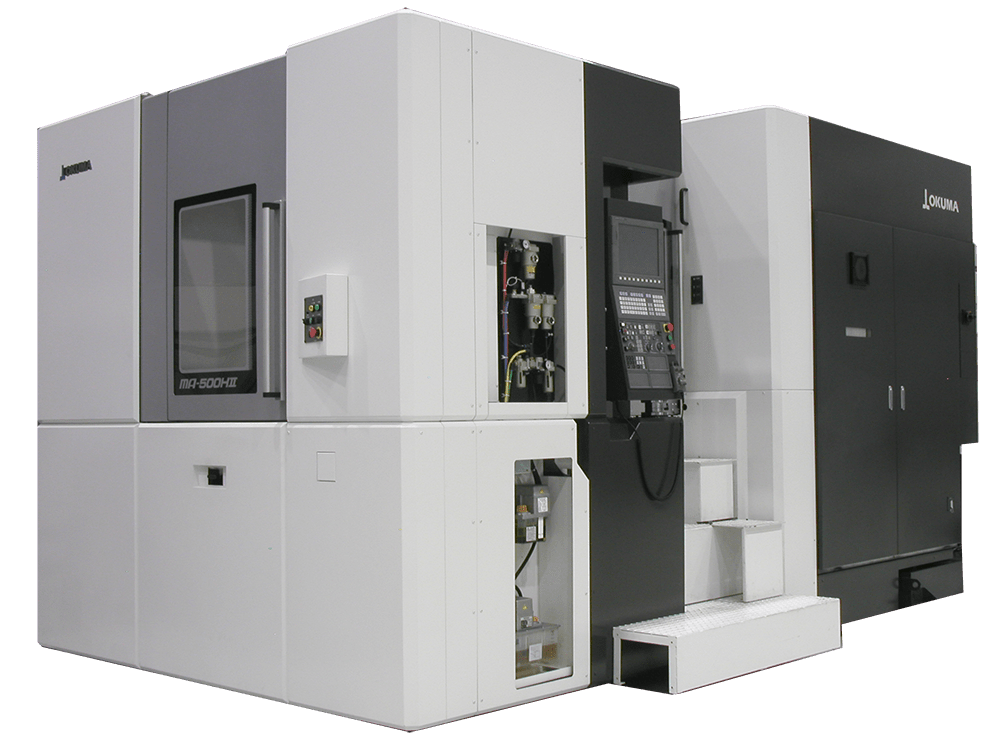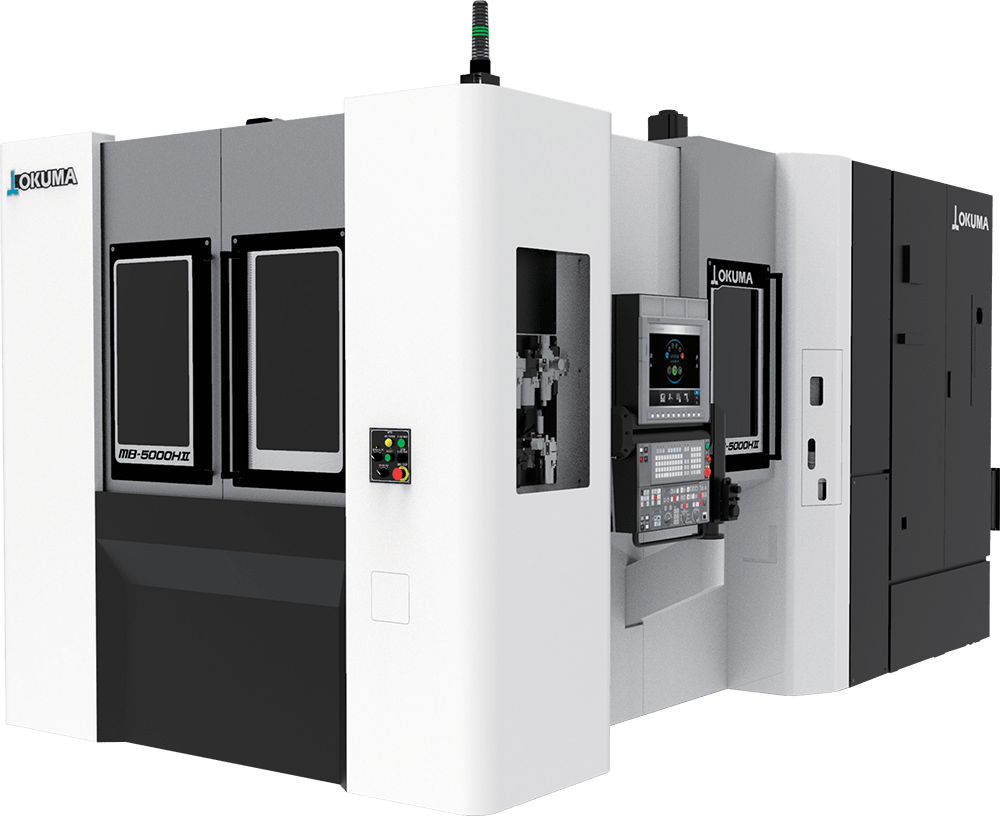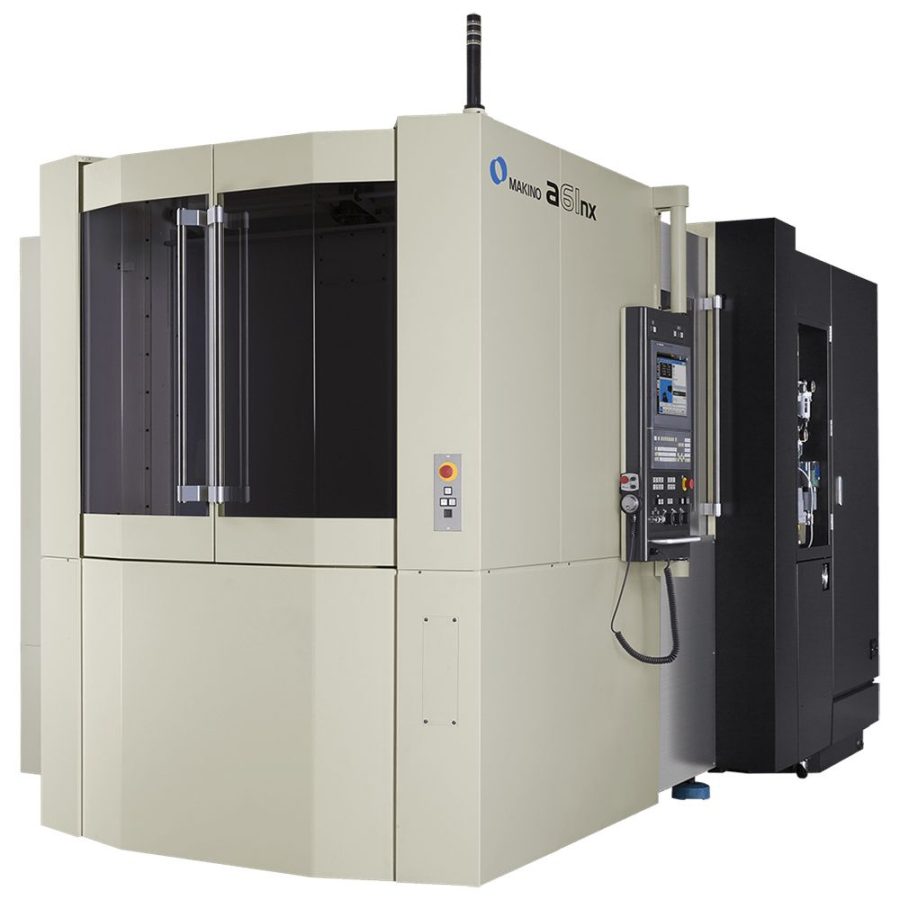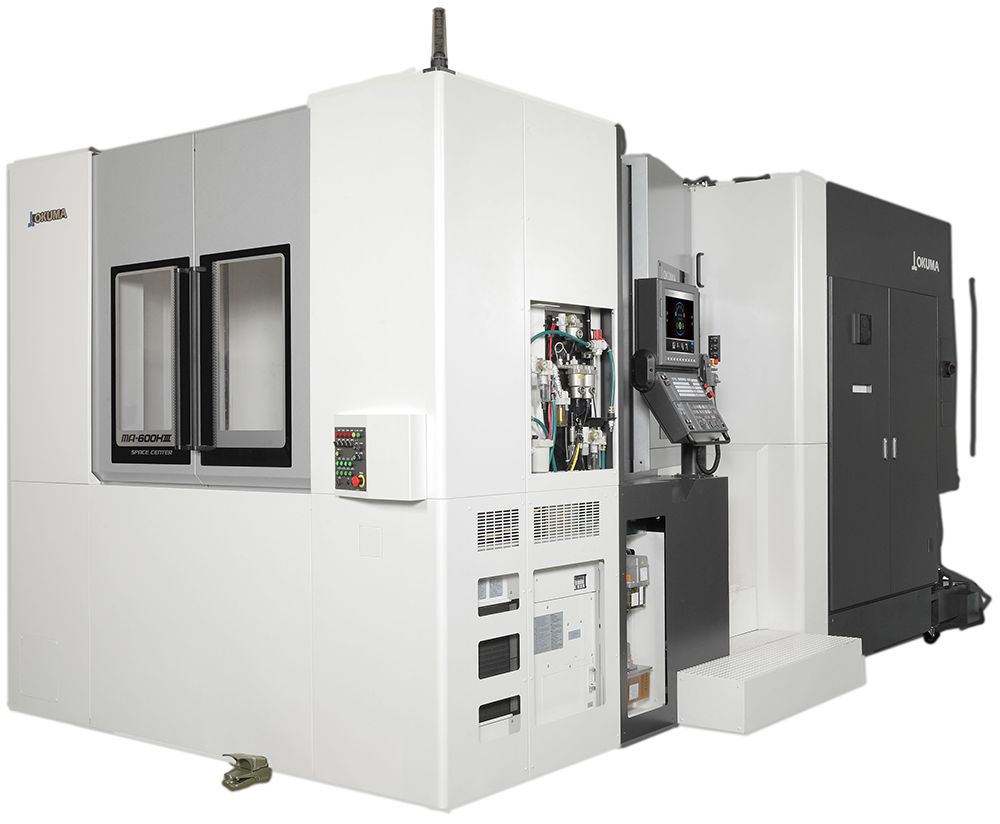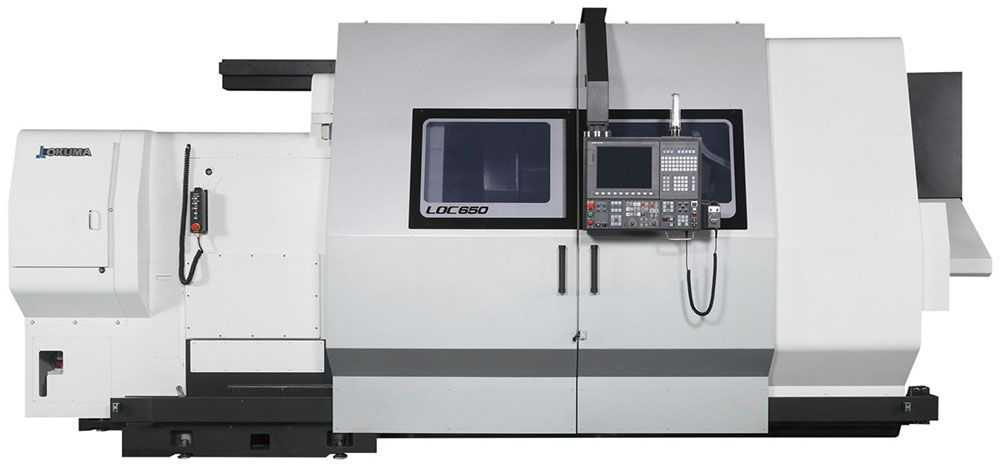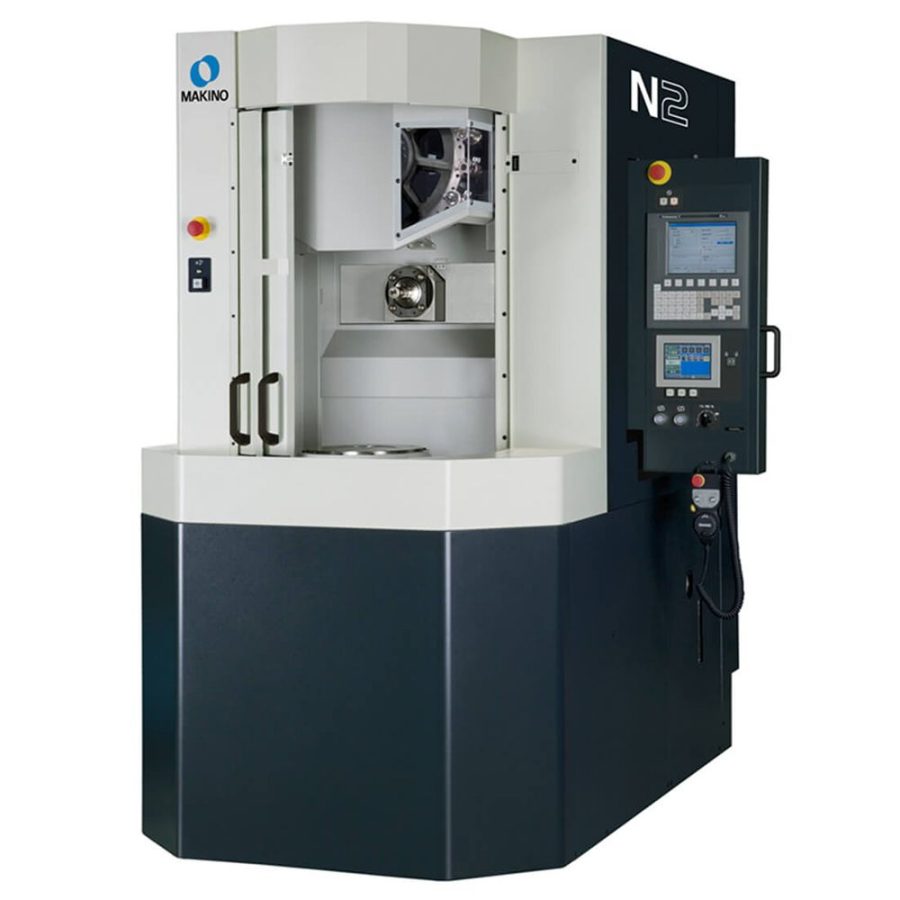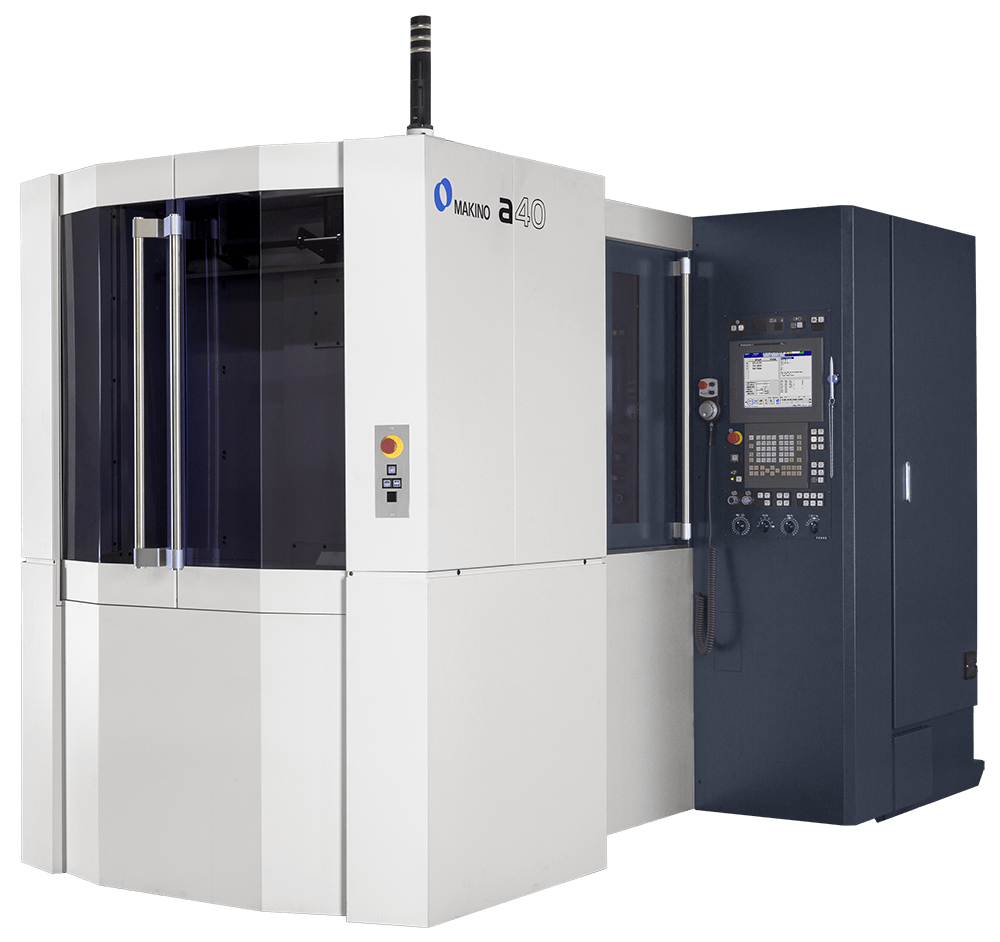
NCMT supplies Okuma and Makino horizontal milling machines for precision machining across a wide range of component sizes, materials and production requirements.
Horizontal machining centres can provide multi-face access to the workpiece while supporting efficient palletised production, making them suitable for applications where machining capability, process consolidation and productivity are important.
Selecting the right machine depends on more than the component size. Workpiece dimensions and weight, machinning envelope, spindle speed, power and torque, , axis configuration, tool magazine capacity, target cycle time and production volume can all influence the appropriate machine specification.
Our applications engineers work with manufacturers across aerospace, automotive and motorsports, subcontracting, energy, medical and mould & die to assess these requirements and identify the most appropriate machining platform for the application.
Talk to our team about selecting the right horizontal milling machine for your production requirements.
A horizontal milling machine should be evaluated against the complete machining process rather than individual headline specifications.
Key considerations include component dimensions , material, machining envelope, spindle speed, power and torque, axis configuration, pallet and workholding requirements, tool magazine capacity and the required accuracy.. Production volume, target cycle time, palletisation and automation requirements should also be considered when comparing machine configurations.
NCMT can assess these requirements against the available Okuma and Makino machines and recommend a configuration suited to the component, machining process and production strategy.
Spindle specification should reflect the material, tooling, component geometry and finishing requirements.
Higher spindle speeds can be advantageous for smaller-diameter tools, high-speed machining strategies and finishing operations, Higher torque is particularly important for demanding cuts at lower rotational speeds, while spindle power influences the ability to sustain the required cutting conditions and material-removal rate.
NCMT’s horizontal range includes different spindle configurations to suit these varying requirements, from high-speed spindle options for smaller tools and finishing through to higher-power and higher-torque configurations for more demanding cutting applications.
The choice between 4-axis and 5-axis machining should be based on component geometry, required tool access, workholding strategy and the number of set-ups needed to complete the part.
A 4-axis horizontal machining centre can be appropriate where the required faces and features can be reached efficiently through indexed rotary positioning.
A 5-axis machine becomes more relevant where additional rotary movement provides access to angled, complex or multi-sided features, reduces fixture or set-up changes, or enables simultaneous multi-axis machining where required.
The comparison should also consider cycle time, fixture complexity, tool reach and the overall production process rather than assuming that additional axes will automatically provide a productivity advantage.
Pallet size and machine travels should be considered alongside the complete workpiece, fixture and required machining access rather than component dimensions alone.
The assessment should include workpiece diameter, height and weight, fixture dimensions, pallet load capacity and the clearance required for indexing or multi-axis movement. Tool length and approach angles should also be considered to ensure that all required features can be accessed without interference throughout the machining cycle.
Palletisation can improve productivity where workpiece loading, fixture preparation or changeover would otherwise interrupt machining.
A two-pallet arrangement allows one pallet to be prepared while the other is being machined, helping to increase spindle utilisation. Larger pallet systems can support multiple components or part families and extend unattended production. The appropriate configuration depends on production volume, component mix, set-up time, cycle time and the required level of manufacturing flexibility.
Tool magazine capacity should reflect the complete machining process, component mix and planned level of unattended production rather than simply the number of tools required for an individual component.
The specification should account for tools used across different operations or part families, sister tools for managing tool life, replacement tools for long production cycles and any specialist tooling required by the process. Sufficient capacity can reduce manual intervention and changeover time, but should be considered alongside tool management strategy and the overall production requirement.
Lights out , unattended machining requires the complete process to operate reliably for extended periods, not simply the ability to load components automatically.
Machine selection should consider pallet or component handling, tool magazine capacity, tool-life and breakage management, probing and process monitoring, workholding, coolant management and chip evacuation. The production strategy should also account for how the machine responds to tool wear, process variation or interrupted operations so that unattended running remains controlled and repeatable.
Accuracy should be assessed against the required component tolerances and the conditions under which those tolerances must be maintained throughout production.
Machine structure, spindle behaviour, axis positioning and thermal management can all influence dimensional stability as the machine and surrounding environment change temperature. For long or unattended production cycles, manufacturers should therefore consider repeatability and thermal stability over time rather than relying solely on a headline positioning-accuracy specification.