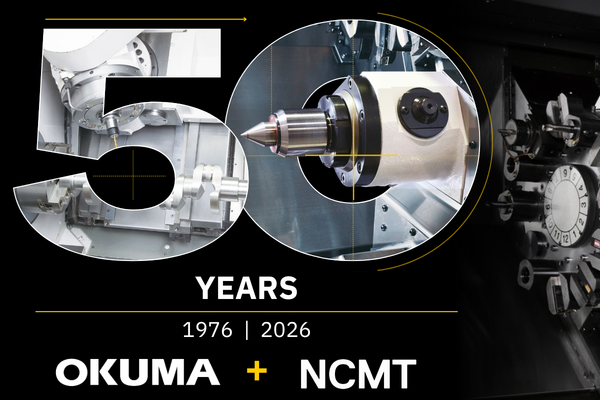
In 1976, NCMT began a partnership with Okuma Corporation that would help shape our machine tool offering for the next five decades.
This November, we are celebrating 50 years of that partnership with a special three-day Open House at our Coventry Technical Centre.
From 18 to 19 November, we are bringing together Okuma machines spanning generations of machine tool development, from a fully operational LR15 that has been cutting metal for around 40 years, to today’s turning, milling and multi-tasking technology.
It is an opportunity to see the machines, speak directly with our engineers and sales team, discuss applications and manufacturing challenges, and take a closer look at the engineering behind Okuma technology.
NCMT was established in 1964, at a time when numerical control technology was still in its infancy. In 1976, the addition of the Okuma dealership expanded our portfolio to include CNC lathes, grinders and machining centres.
Much has changed since then. Machine tools have become faster, more capable and increasingly intelligent. Controls have evolved dramatically, multi-tasking has enabled manufacturers to consolidate operations, and automation and process monitoring have transformed what can be achieved within a modern production environment.
What has remained is the partnership between NCMT and Okuma. For 50 years, NCMT has supplied and supported Okuma machine tools for manufacturers across the UK and Ireland, combining Okuma technology with local applications knowledge, engineering, service and support.
Our November Open House will celebrate that history, but its focus is firmly on manufacturing today and what comes next.
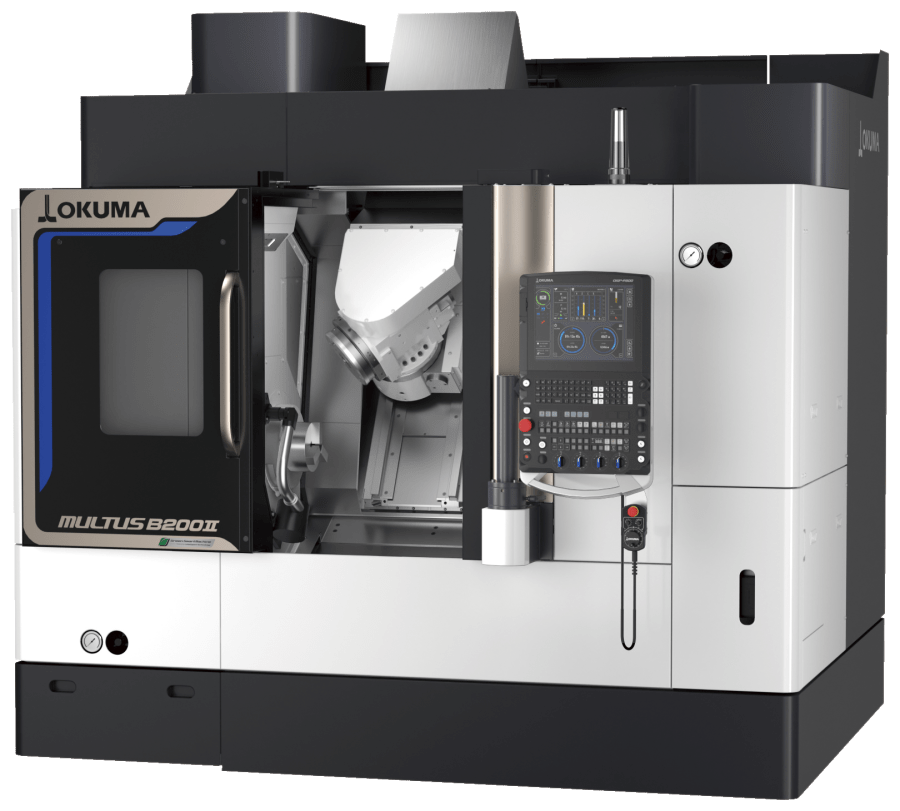
For manufacturers looking to reduce the number of separate operations involved in producing complex components, the MULTUS B200II demonstrates the benefits of combining turning and milling capability within one machine.
The B200II has a maximum turning diameter of 600 mm and is available with a 6,000 rpm spindle. The W configuration adds a sub-spindle, allowing a component to be transferred between spindles so that turning and milling operations can be completed without removing and re-fixturing the part.
Reducing repetitive fixturing can shorten non-cutting time while also removing opportunities for inaccuracies to be introduced between operations. Okuma’s Collision Avoidance System works with the OSP control to simulate machining and identify potential interference before a collision occurs.
See it at the Open House: a compact multi-tasking platform designed around process consolidation.
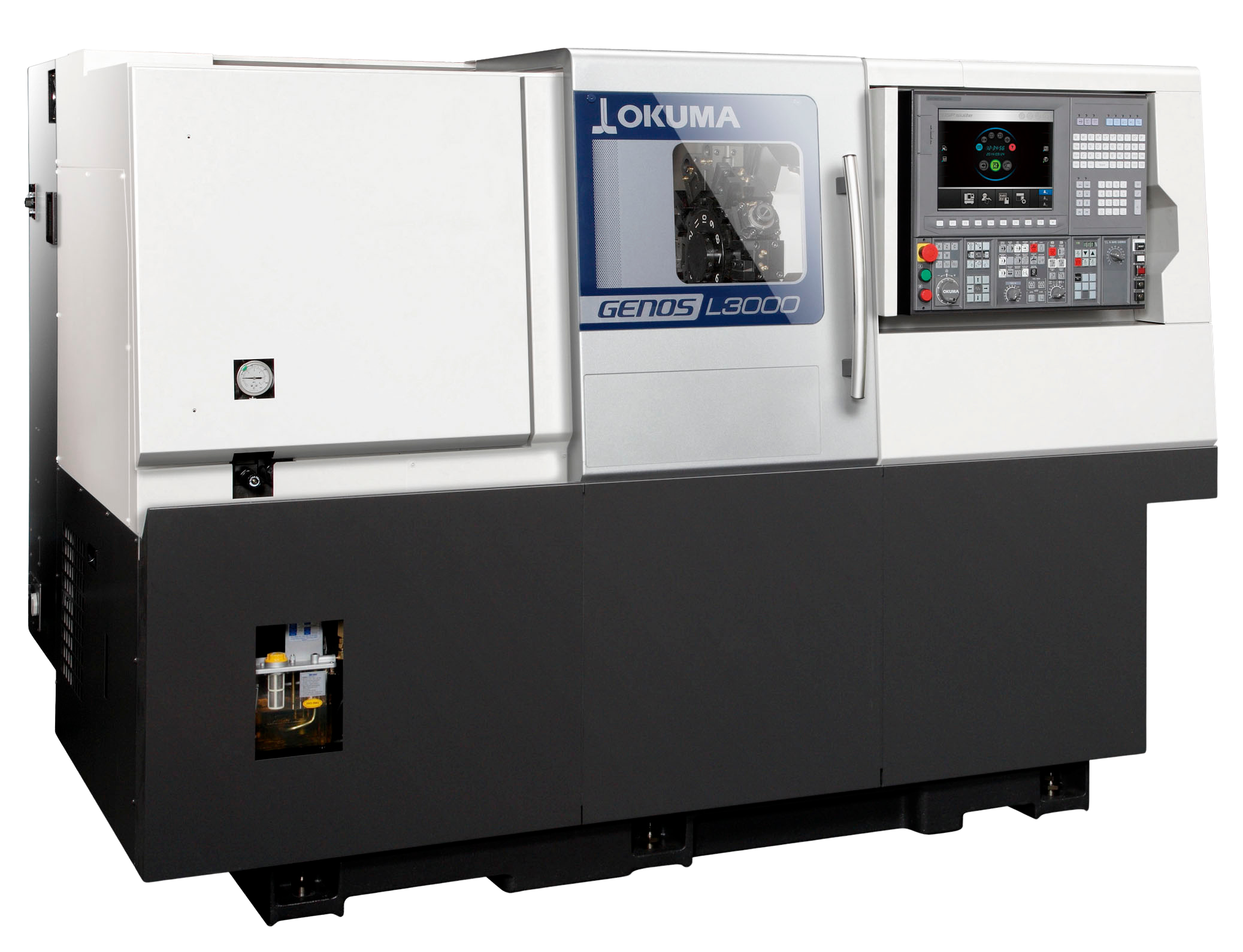
The GENOS L3000 demonstrates how considerable turning capability can be packaged into a relatively compact footprint.
Its integral spindle and highly rigid guideways are designed to support powerful, high-precision machining, while the MYW configuration combines driven tooling, Y-axis capability and a sub-spindle.
That combination is particularly relevant where manufacturers want to move beyond conventional turning and complete more of a component within a single machine.
See it at the Open House: turning, milling, Y-axis machining and a sub-spindle brought together within the GENOS platform.
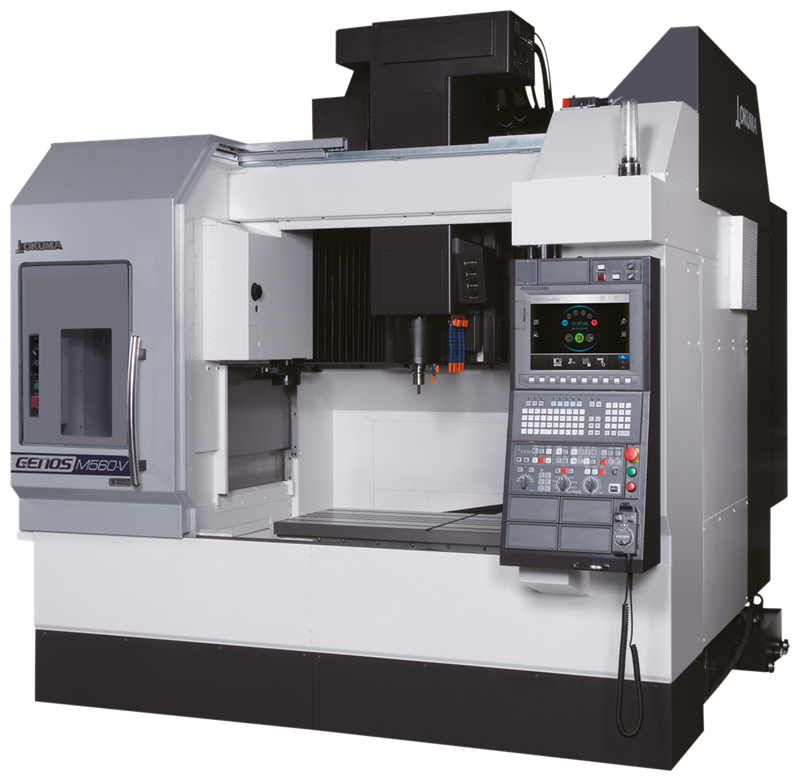
A different proposition comes from the GENOS M560V vertical machining centre.
Built around proven Okuma technology, the GENOS M series combines rigidity and thermal stability with the OSP control. The M560V offers a 1,300 x 560 mm table, X/Y/Z travels of 1,050/560/460 mm, a 12,000 rpm spindle with a 15,000 rpm option, and 32 tools.
For manufacturers assessing a vertical machining centre, it provides an opportunity to look beyond headline specifications and discuss the relationship between machine construction, thermal behaviour, spindle performance and long-term production requirements.
See it at the Open House: a practical example of Okuma vertical machining technology for productive, accurate machining.
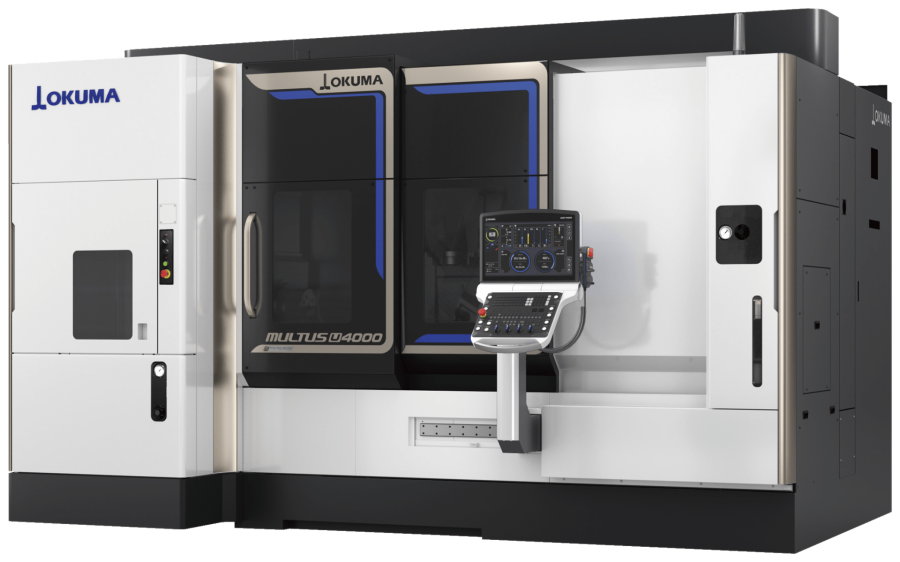
At the other end of the multi-tasking spectrum is the MULTUS U4000 2SW.
The MULTUS U platform is based on a solid orthogonal flat bed and combines extensive Y-axis travel with high-capacity rotary tooling. The U4000 accommodates a maximum turning diameter of 650 mm, while the 1,500 mm configuration on display provides capacity for substantial and complex components.
The 2SW configuration combines two saddles with a sub-spindle, opening opportunities for simultaneous machining and further process consolidation.
For manufacturers currently moving components between turning and machining operations, this is one of the machines we would particularly encourage you to explore during the Open House.
See it at the Open House: high-capability multi-tasking designed to bring multiple operations together.
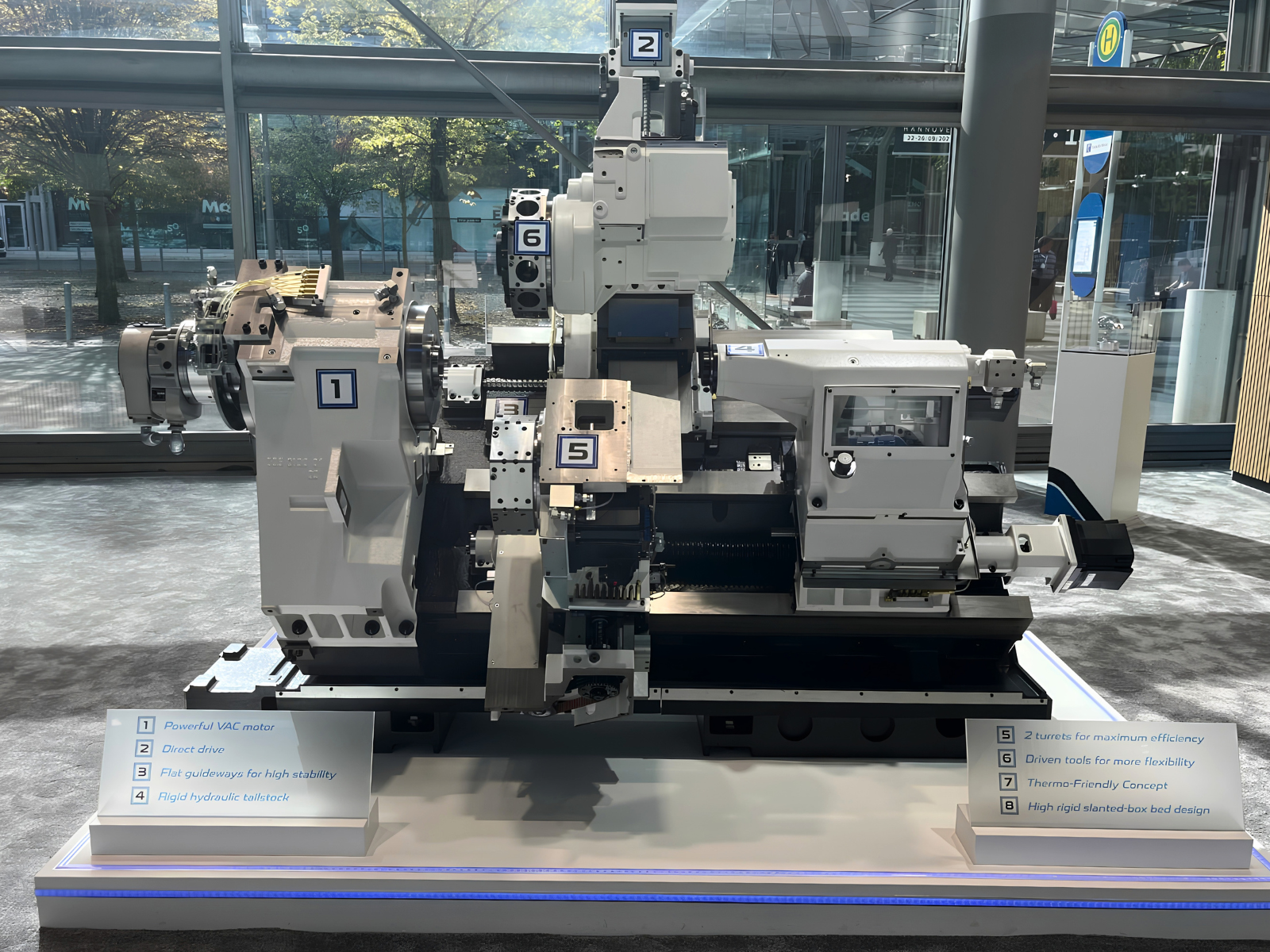
This one is deliberately different.
Rather than simply showing you another finished machine, we are removing the covers.
Our LU3000 EX skeleton gives visitors an unusual opportunity to examine the construction underneath the sheet metal and get closer to the mechanical engineering that normally remains hidden.
The LU3000 EX uses upper and lower turrets that can perform turning operations simultaneously or independently. Okuma specifies a 12-station upper turret and 8/10-station lower turret, together with an integral spindle motor and Thermo-Friendly Concept technology.
Look closely at the skeleton and you can begin to understand how elements such as the machine structure, turrets, spindle, guideways and tailstock come together.
For anyone who enjoys understanding why a machine behaves the way it does rather than simply reading a specification sheet, this should be a particularly interesting exhibit.
Whether you already operate Okuma machines, are considering your next machine tool investment or simply want to take a closer look at the engineering behind the technology, we would be pleased to welcome you.
18–19 November 2026
NCMT Coventry Technical Centre
Come and celebrate 50 years of Okuma and NCMT, meet our team and explore five decades of machine tool development.