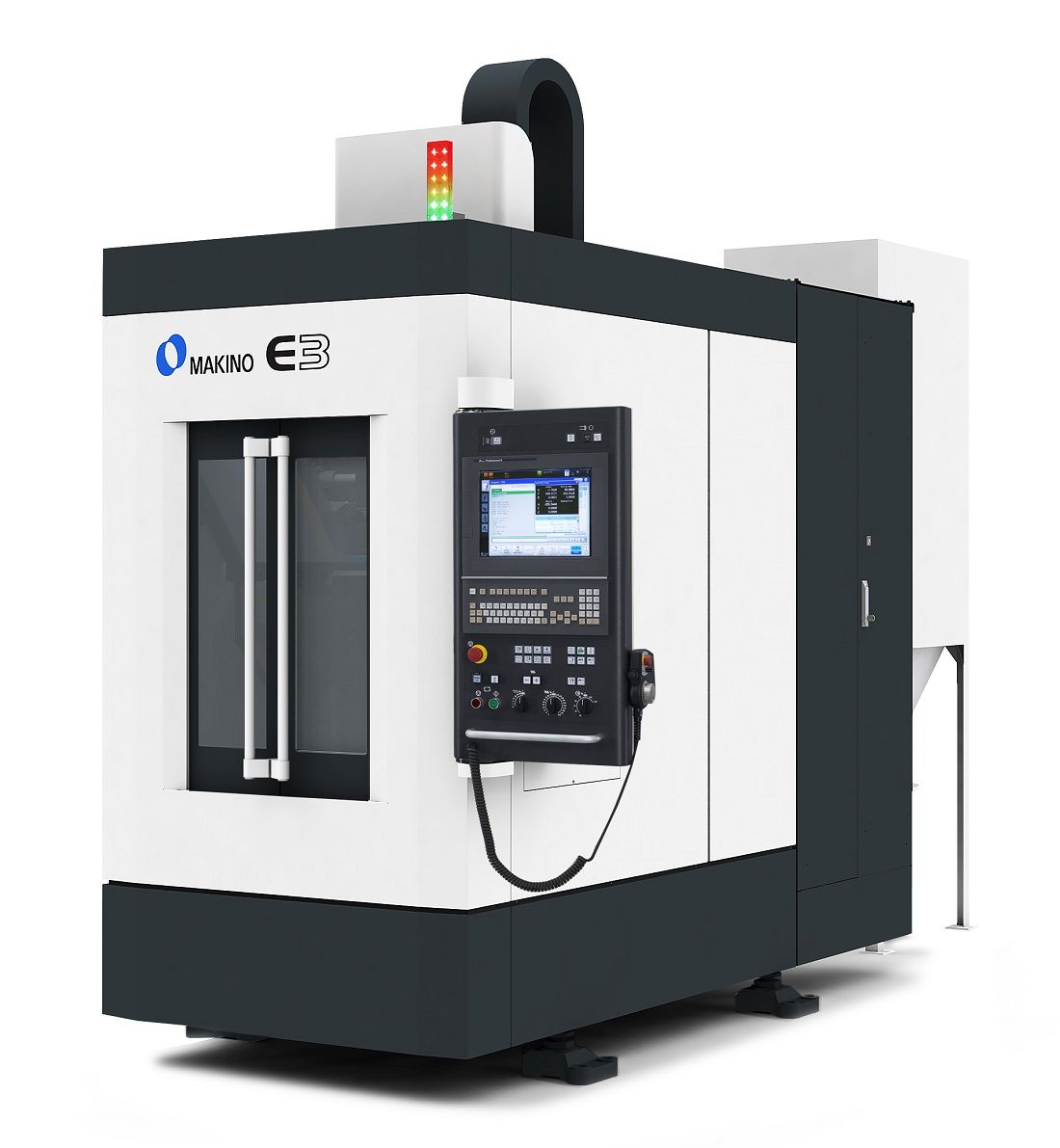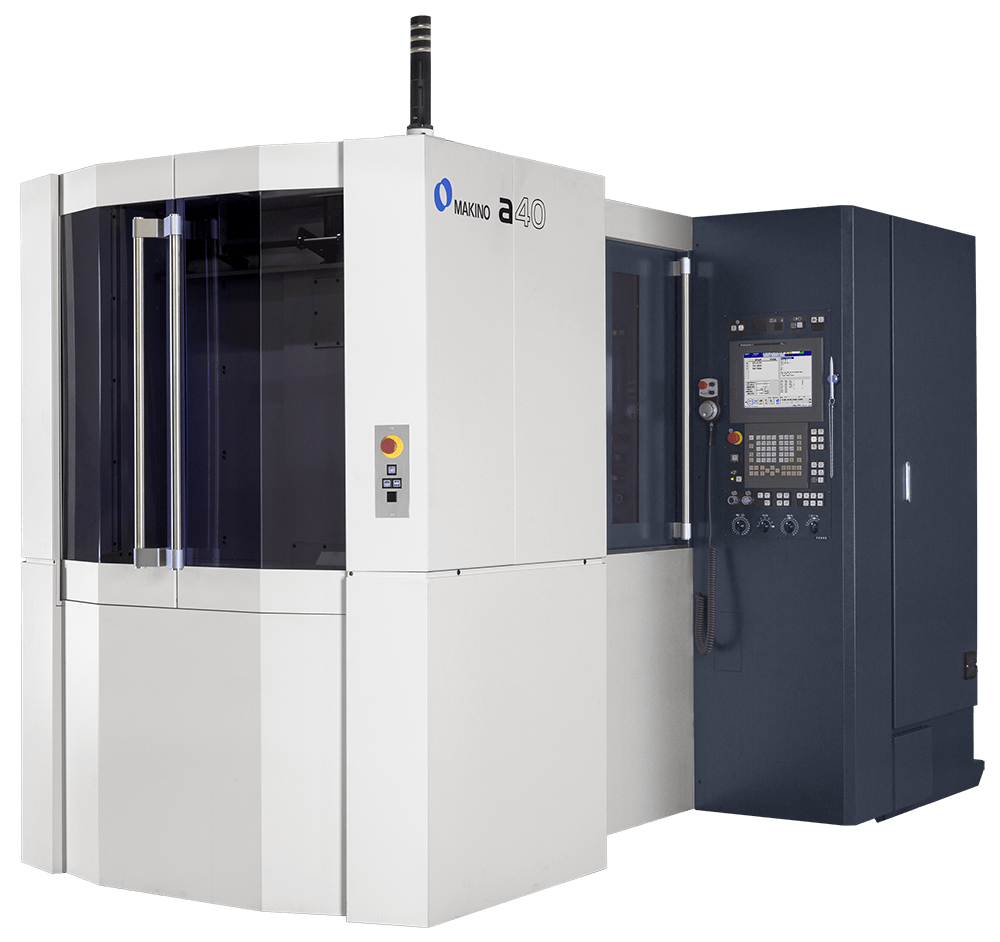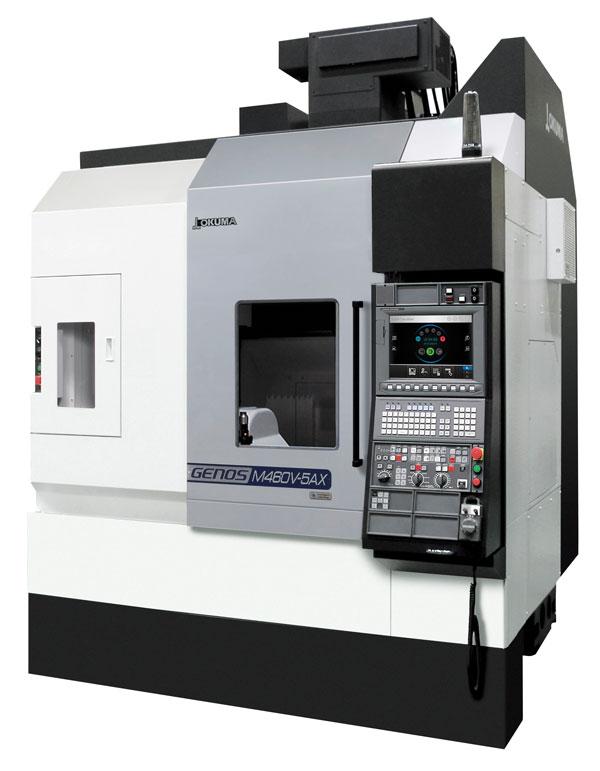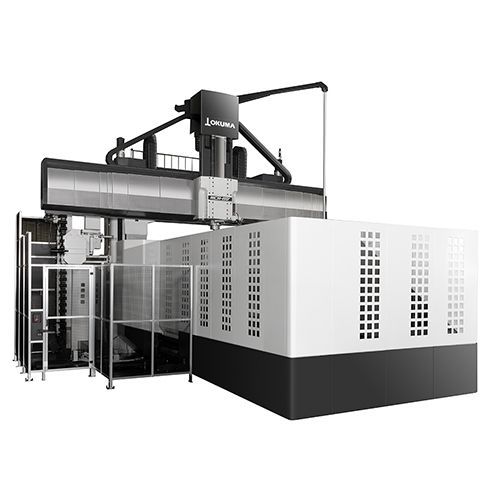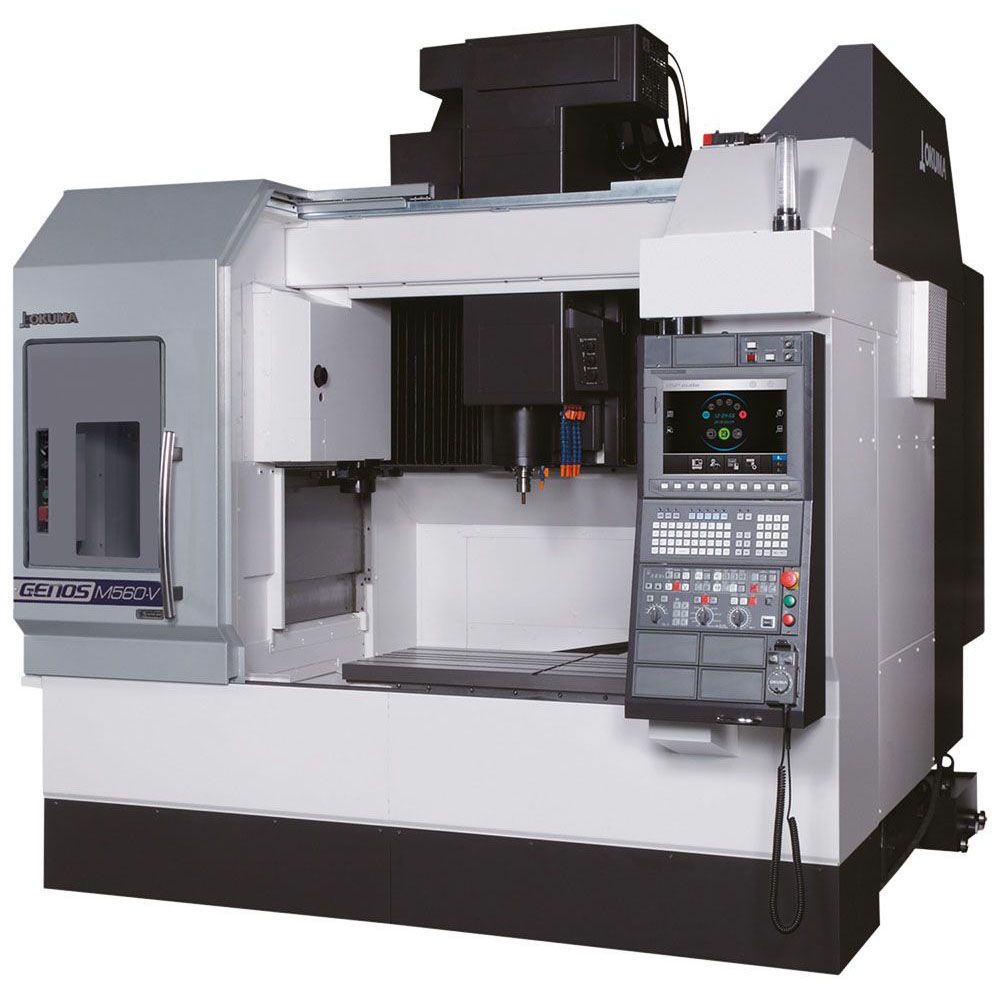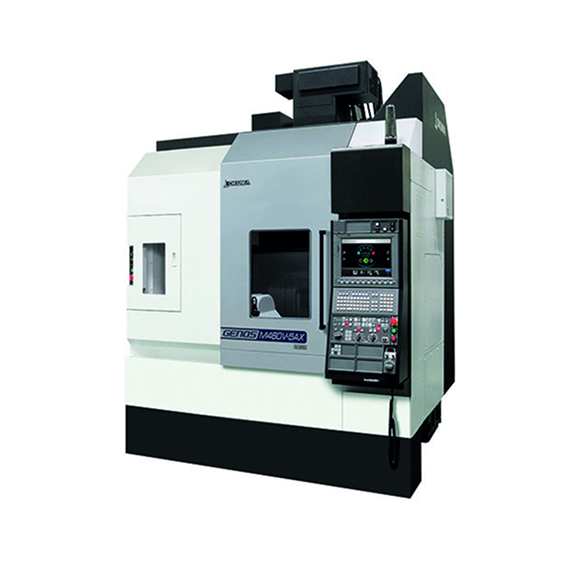
NCMT supplies Makino and Okuma, CNC milling machines across vertical, horizontal, 5-axis, double-column and dedicated graphite machining platforms.
Selecting the right machine depends on more than component size or number of axes. Material, component geometry, work envelope, spindle performance, accuracy requirements, cycle time, workholding, tool capacity and the potential for automation or unattended production all influence the optimum machine and process configuration.
Our applications engineers work with manufacturers across aerospace, defence, energy, medical and mould & die to assess these requirements and identify the most appropriate machining platform for the application.
Talk to our team about selecting the right CNC milling machine for your production requirements.
Machine selection should be based on the complete manufacturing process rather than an individual specification in isolation.
Key considerations include component size and weight, material, machining strategy, required work envelope, spindle speed and torque, machine rigidity, thermal stability, tool capacity, workholding, chip management and the required level of automation.
Cycle time, production volume and the number of operations or setups required should also be considered. In some applications, reducing handling and workpiece repositioning can be more important to overall productivity than the cutting performance of an individual operation.
NCMT can assess these requirements against the available Makino and Okuma machine platforms and recommend a configuration suited to the component and production strategy.
The decision between a horizontal and vertical machining centre depends largely on component geometry, production volume and manufacturing strategy.
Horizontal machining centres are often preferred where several faces of a component need to be machined in a single setup, or where pallet systems and automated production are required. Their configuration can also provide advantages for chip evacuation during high-volume or heavy machining.
Vertical machining centres can provide greater flexibility and straightforward access to the workpiece, making them well suited to a broad range of components, lower-volume production and applications where frequent setup changes are required.
The optimum choice depends on the complete machining process rather than machine orientation alone.
A 5-axis CNC milling machine is typically considered when component geometry requires access to several faces or complex angled features, particularly where these would otherwise require multiple setups.
Reducing the number of setups can improve process consistency by minimising repeated workpiece positioning and can also reduce handling and overall manufacturing time.
However, 5-axis machining is not automatically the optimum solution for every complex component. Production volume, workholding, tool access, cycle time, chip evacuation and automation strategy should also be considered when comparing 5-axis, horizontal and vertical machining platforms.
Spindle specification should reflect the material being machined, cutter sizes, required metal removal rate and finishing requirements.
High spindle speeds may be important for smaller tools, finishing operations and certain materials, while applications involving larger cutters or difficult-to-machine materials may place greater emphasis on spindle torque and power characteristics.
The spindle should therefore be considered as part of the complete machining process, alongside machine rigidity, toolholding, cutting strategy and the required balance between productivity, accuracy and surface finish.
Machine rigidity helps control vibration and deflection under cutting loads, supporting dimensional accuracy, tool life and surface finish, particularly during heavier or interrupted cutting.
Thermal stability is equally important where tight tolerances must be maintained over extended machining cycles. Changes in machine temperature can affect dimensional performance, so machine construction, thermal management and control strategies all influence process consistency.
For demanding precision applications, these characteristics should be considered alongside spindle performance and axis configuration when comparing CNC milling machines.
Automation requirements should be considered at the machine-selection stage rather than added as an afterthought.
Factors include pallet or workpiece handling, tool capacity, tool-life management, probing, in-process measurement, chip evacuation, coolant management and the ability to monitor and recover the machining process reliably.
For unattended production, process stability is particularly important. The machine, tooling, workholding and automation system need to operate as a complete manufacturing process rather than as separate elements.
NCMT can develop CNC milling solutions incorporating machine tools, automation and process engineering around the specific production requirement
A dedicated graphite machining centre should be considered where graphite electrodes or other graphite components form a significant part of the manufacturing process.
Graphite machining presents different requirements from conventional metal cutting, particularly in relation to dust management and the production of fine, detailed features. A machine designed specifically for graphite applications can incorporate the appropriate construction, spindle characteristics and dust-control systems while maintaining the accuracy required for electrode and mould manufacture.
The choice between a dedicated graphite machine and a more general-purpose machining centre will depend on component requirements, production volume and the role graphite machining plays within the overall manufacturing process.